

Expert Medical Care since 2015

18 Clinics UK & Worldwide

300+ Friendly Trained Staff
Expert medical care since 2015
18 clinics worldwide
300+ friendly staff


Expert Medical Care since 2015
18 Clinics UK & Worldwide
300+ Friendly Trained Staff
Expert medical care since 2015
18 clinics worldwide
300+ friendly staff
Female Hair Transplant in Turkey for Natural, Discreet Results
A personalised approach to female hair restoration, focused on restoring natural density while maintaining discretion and balance.
- Discreet treatment designed around your lifestyle
- Tailored approach for natural density and soft hairlines
- Medically led planning for long-term, balanced results
10,000+ successful procedures performed by our experienced clinical team
4.9/5 Reviews

Oops! Something went wrong while submitting the form.
A female hair transplant in Turkey can restore definition to the hairline, fill thinning temples and add coverage through the parting or crown without requiring a full shave. At Este Medical Group in Istanbul, each plan is created around the pattern of hair loss, donor strength, existing hair and the way you normally style it.
For suitable patients aged 21 and over, our team uses Direct Hair Implantation (DHI) to place follicles between existing hairs with careful control of angle, direction and distribution. The aim is not to create an artificial line or simply chase the highest graft count. It is to use the maximum number of grafts that Dr Alaaddin Karabacak considers safe and clinically appropriate for your donor area and treatment goals.
For a wider overview of techniques, packages, suitability and travelling for treatment, read our complete hair transplant Turkey guide.
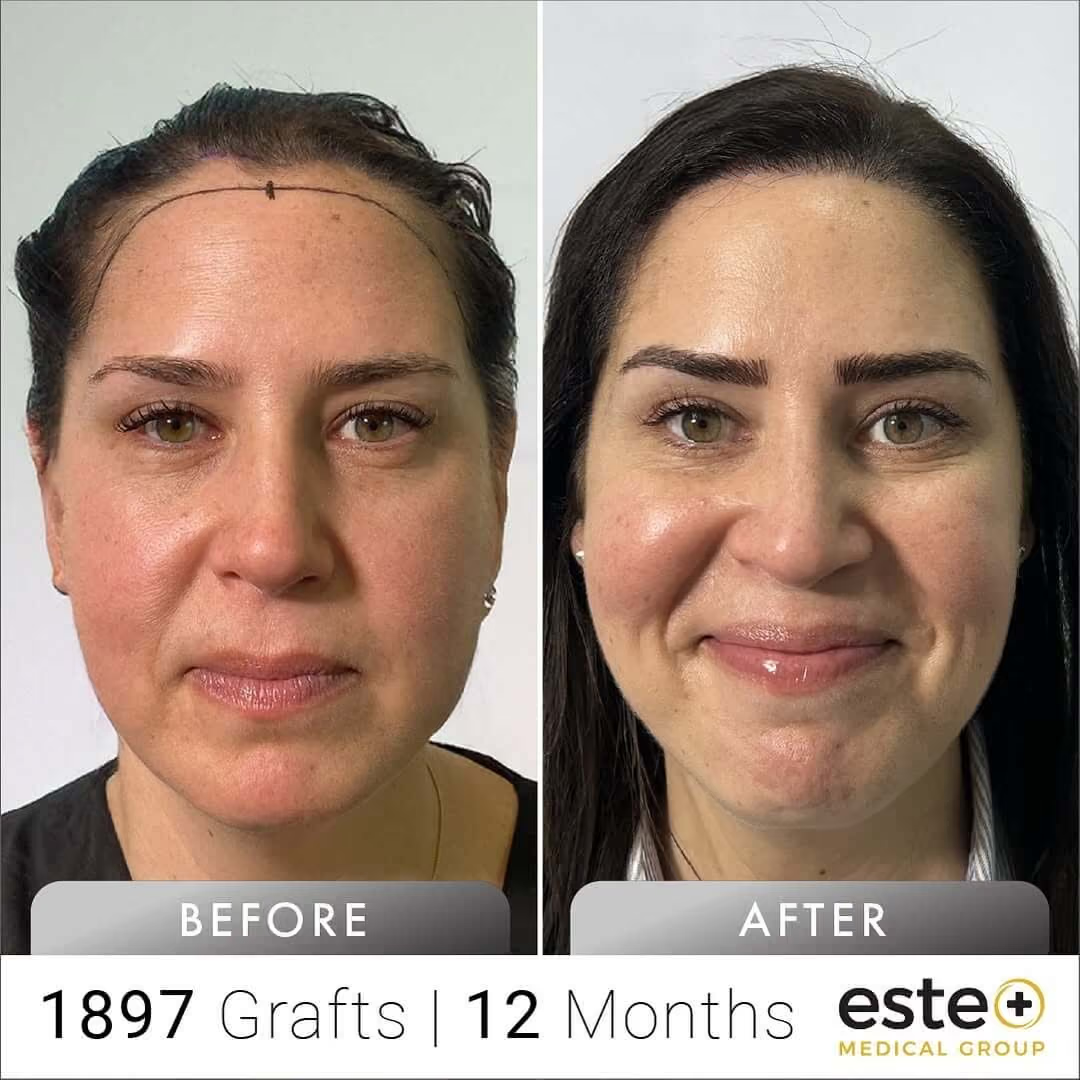
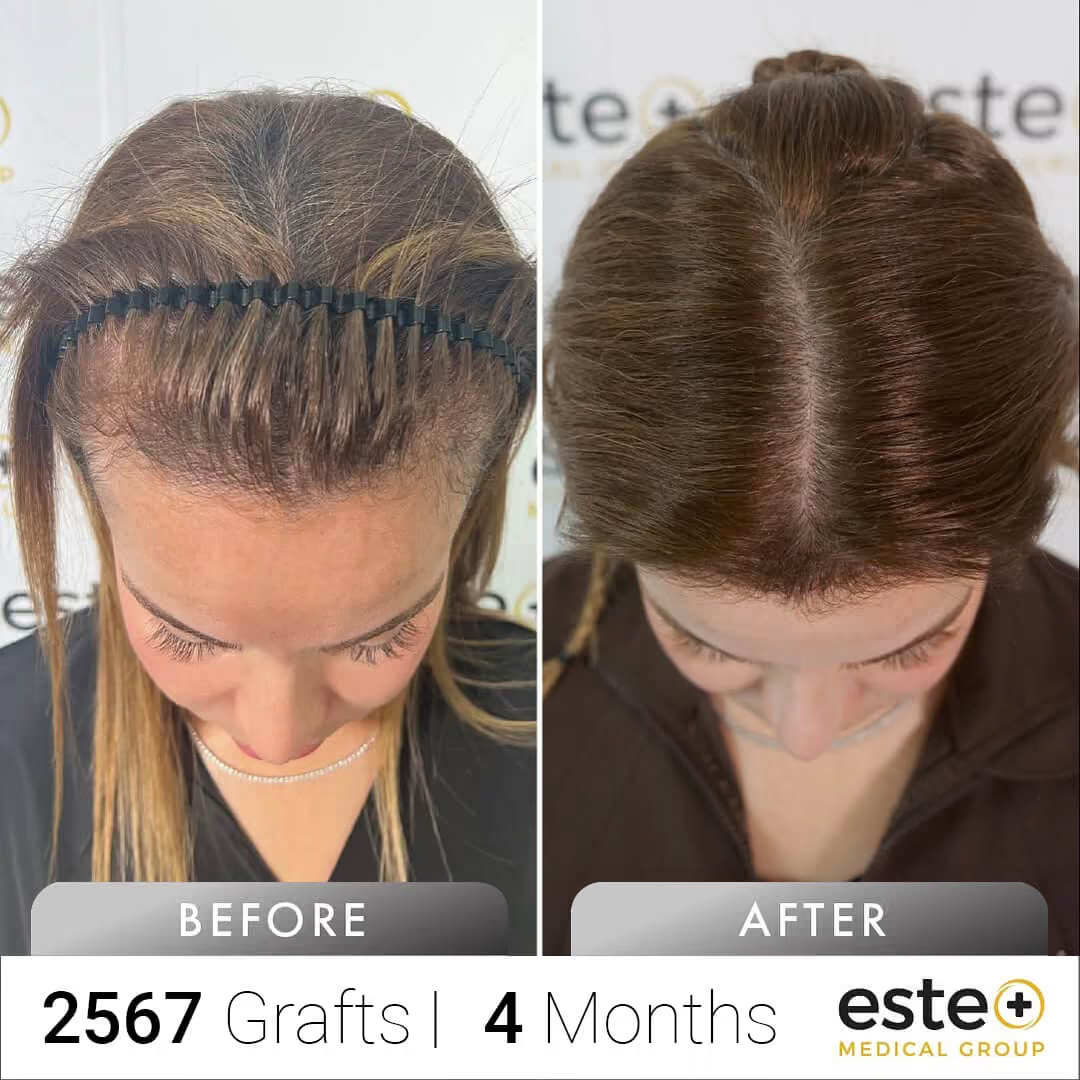
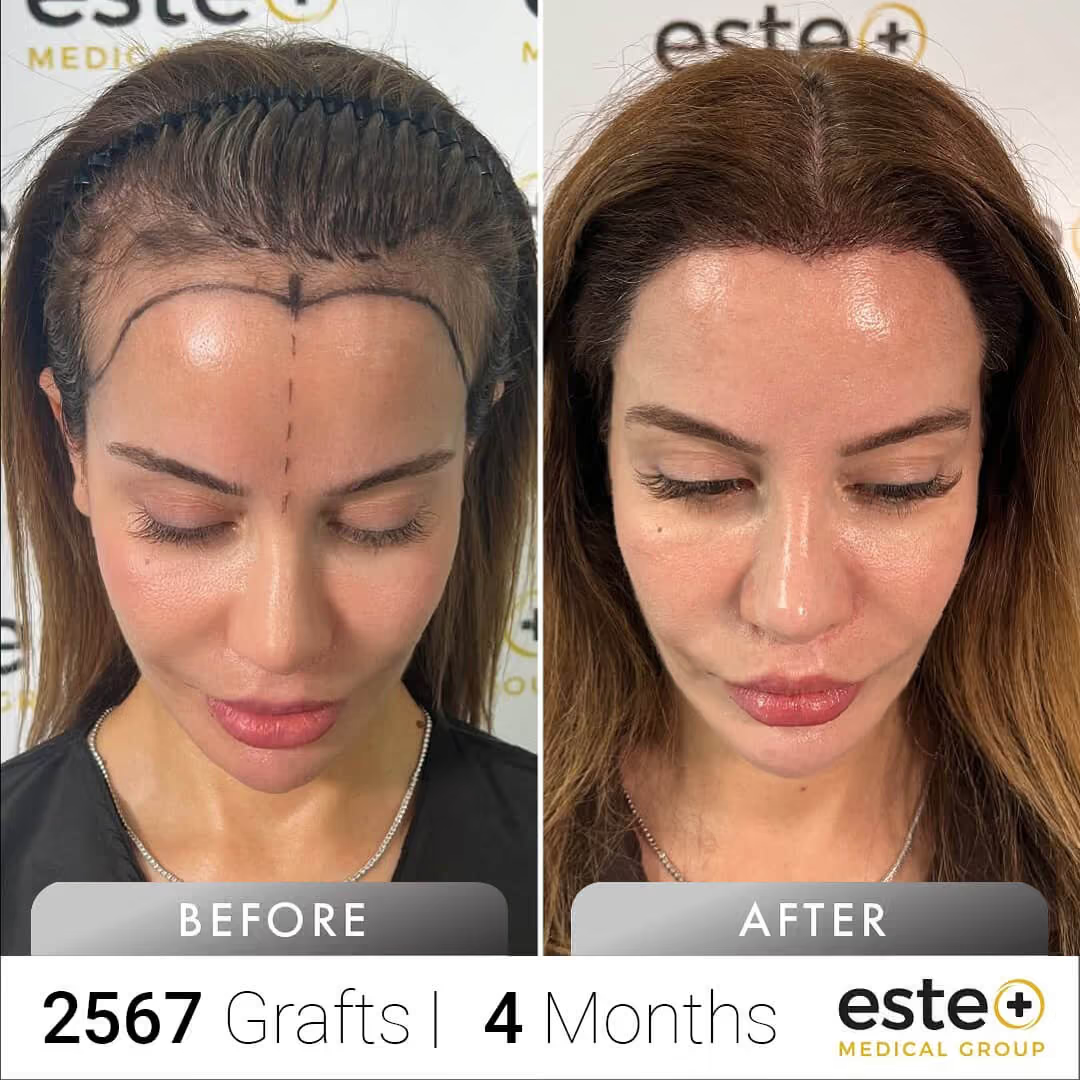
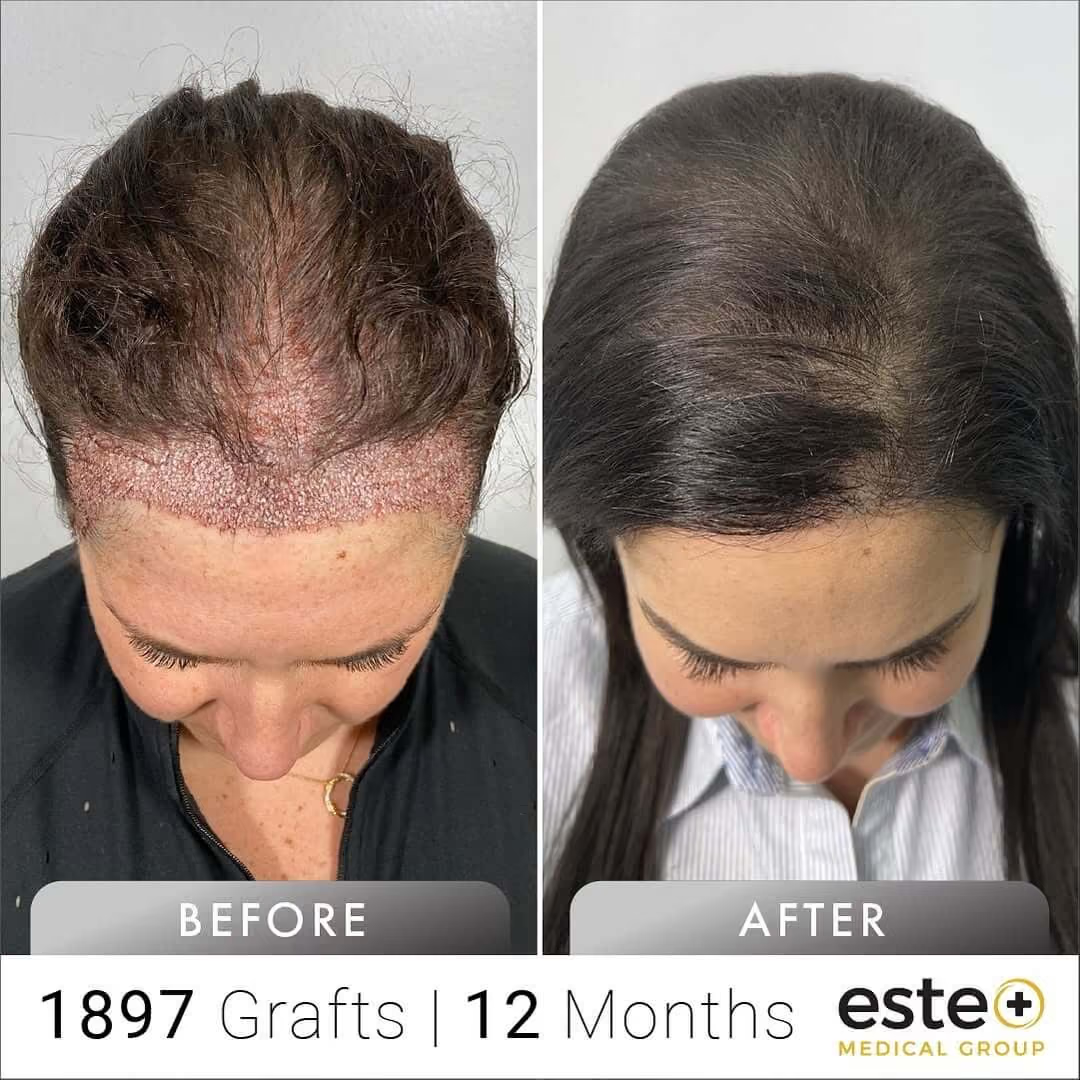
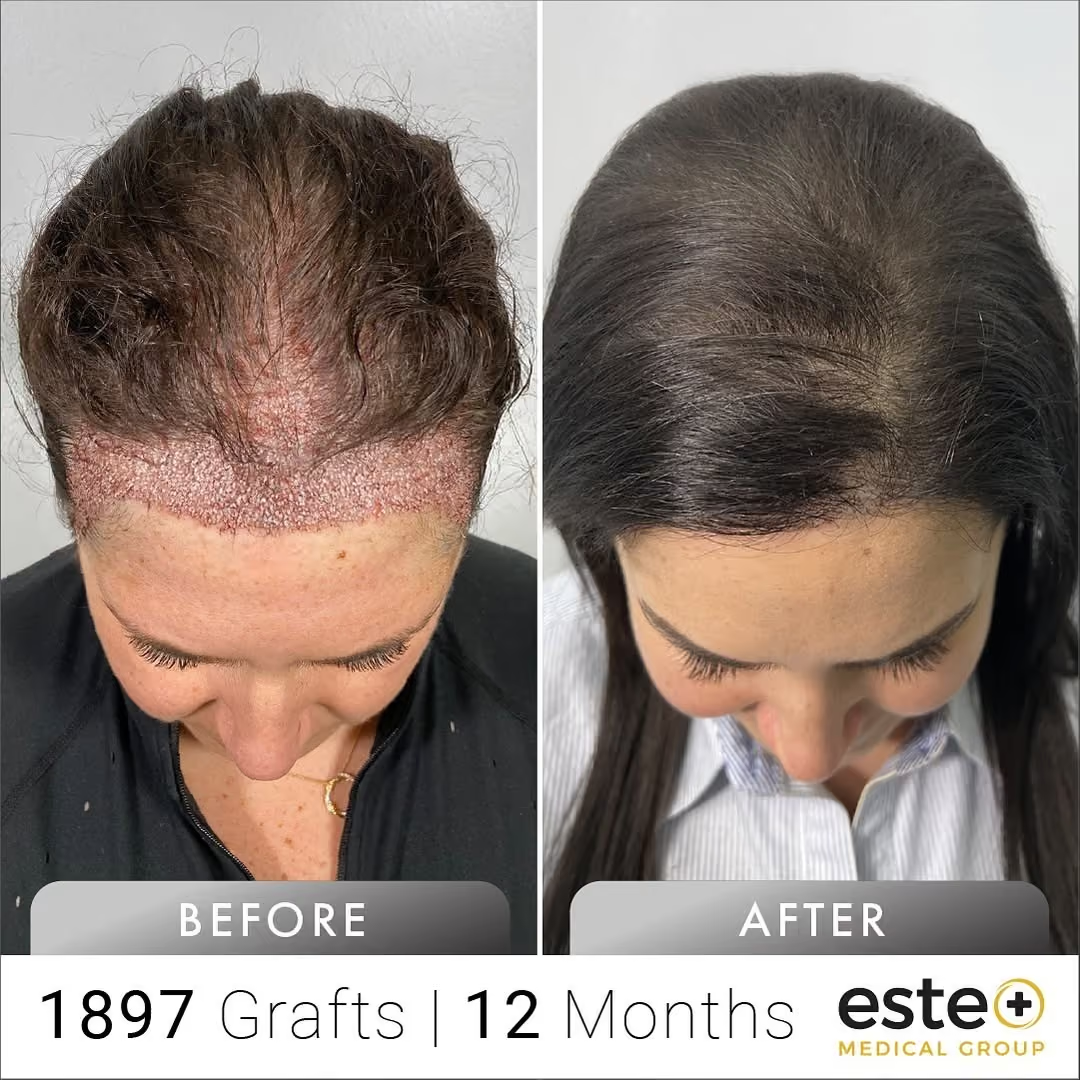
Female Hair Transplant Before & After
You can also view more documented cases and growth stages on our Turkey hair transplant before-and-after page.
Why Women Choose Este for a Hair Transplant in Turkey
Women often approach hair restoration with concerns that differ from those of male patients. Preserving length, avoiding an obvious shaved area, protecting existing hair and creating a soft, believable hairline can be just as important as increasing density.
Este’s female pathway is built around those concerns. Derya Köroğlu reviews submitted photographs, designs the female hairline and carries out the follow-up assessment. Dr Alaaddin Karabacak decides the final graft number and is physically present to supervise every procedure. Derya Köroğlu and Mesut Köroğlu perform the DHI implantation.
Treatment takes place at Este Medical Group’s Istanbul clinic, which operates with an International Health Tourism Authorisation Certificate issued under the Republic of Türkiye Ministry of Health. Certificate number: AK-0373.
At a glance
- Treatment: No-shave DHI hair transplantation for suitable female patients
- Areas treated: Hairline, temples, parting and crown
- Minimum age: 21+
- Shaving: Not required for the female DHI approach described on this page
- Anaesthesia: Local anaesthesia, subject to clinical assessment
- Graft planning: The maximum safe and appropriate number for the donor area and goals
- Early visible change: Commonly assessed around 6–9 months
- Fuller result: Approximately 12 months, although timing varies
- Clinic: Etiler, Beşiktaş, Istanbul
- Medical supervision: Dr Alaaddin Karabacak
Meet The Experts
Experience, Expertise & Excellence: Meet the Este Medical Team
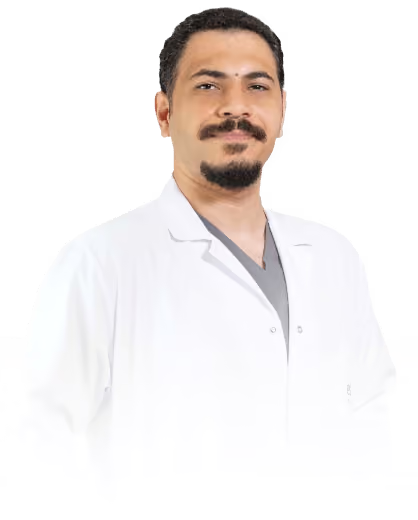
Thaer Mezher, MD
Anaesthesiologist & Pain Management
- Studied Medicine
- Speaks 5 languages
- Specialization in Anesthesia, Intensive Care * Pain Management

Mesut Köroğlu
Hair Transplant Specialist
- Studied Anaesthesia
- Specialises in Hair Transplant
- 24+ Years Experience

Derya Köroğlu
Hair Transplant Specialist
- Studied Anaesthesia
- Specialises in Hair Transplant
- 20+ Years Experience

Dr. Alaaddin Karabacak, MD
Expert Hair Transplant Surgeon
- 35+ Years of Experience in Hair Transplants
- 9,000+ Procedures
- Award-Winning Certified Surgeon
- Turkish Society of Plastic, Reconstructive & Aesthetic Surgery
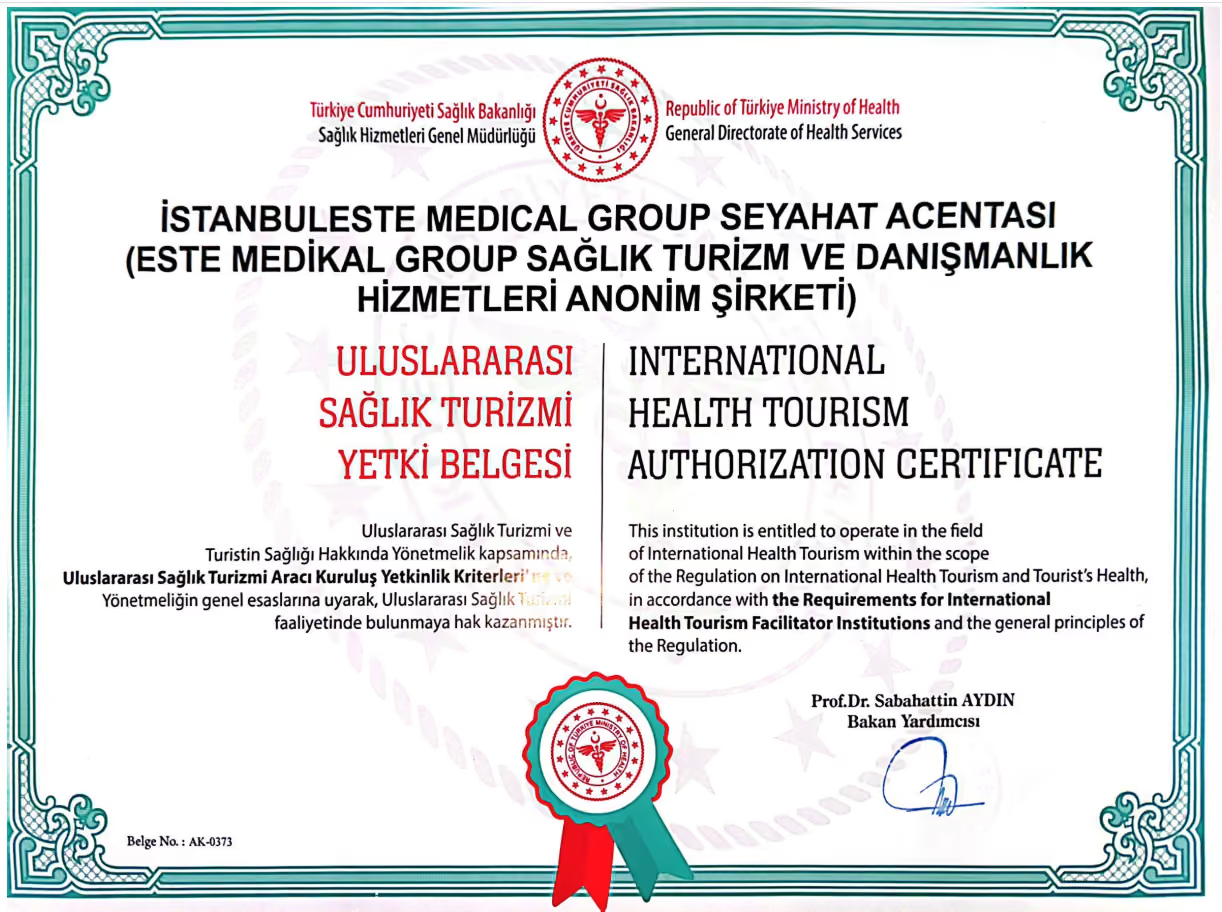
We are a fully licensed Medical Center with an International Health Tourism Authorization Certificate.

Is a Female Hair Transplant Suitable for You?
A hair transplant can be suitable when there is a stable area of thinning and a donor area with enough healthy follicles to support treatment. It may be considered for a receded or naturally high hairline, thinning temples, a widening parting, selected crown thinning or some stable areas affected by traction.
Female hair loss is not always surgical. Hormonal change, thyroid conditions, nutritional deficiency, medication, stress, postpartum shedding, inflammatory scalp conditions and different types of alopecia can produce similar symptoms. Where the pattern is unclear, rapidly changing or diffuse across the donor area, further medical assessment may be needed before a transplant is considered.
Women with tightly curled or Afro-textured follicles may require a specialist extraction and placement plan; read more about our approach to an Afro hair transplant in Turkey.
Este reviews your medical history, photographs, pattern of loss and donor area before confirming suitability. A transplant may not be advised where the donor hair is too weak, loss is unstable, a scalp condition is active, or the proposed result cannot be achieved safely.
Areas that may be treated
Female hair transplantation at Este may be planned for the hairline, temples, central parting and crown. Some patients require one focused area; others need a balanced distribution across several zones. The graft plan is therefore based on priority, available donor supply and how each area will look as the hair matures.
No-Shave DHI Hair Transplant for Women
For many women, the thought of shaving their hair is the greatest barrier to treatment. Este’s female DHI approach is designed so shaving is not required. This allows the existing hairstyle to provide discretion during the early healing period.
DHI uses an implantation device to place prepared follicular units into the planned recipient area. For women with existing hair around the treatment zone, the method allows the team to work carefully between retained hairs and control the angle and direction of placement.
DHI is not described as universally superior to every other technique. It is the method Este uses for this unshaven female pathway because it supports precise placement around existing hair. Final suitability and graft numbers are confirmed after the donor area and pattern of loss have been assessed.
Learn more about the implantation method on our DHI hair transplant Turkey page. Where a different extraction or treatment plan is more appropriate, the team may discuss FUE hair transplant in Turkey as an alternative.

How Your Female Hairline and Density Are Planned
A natural female hairline is not a straight line drawn across the forehead. It should reflect facial proportions, age, existing growth direction and the softer irregularities found in natural hair.
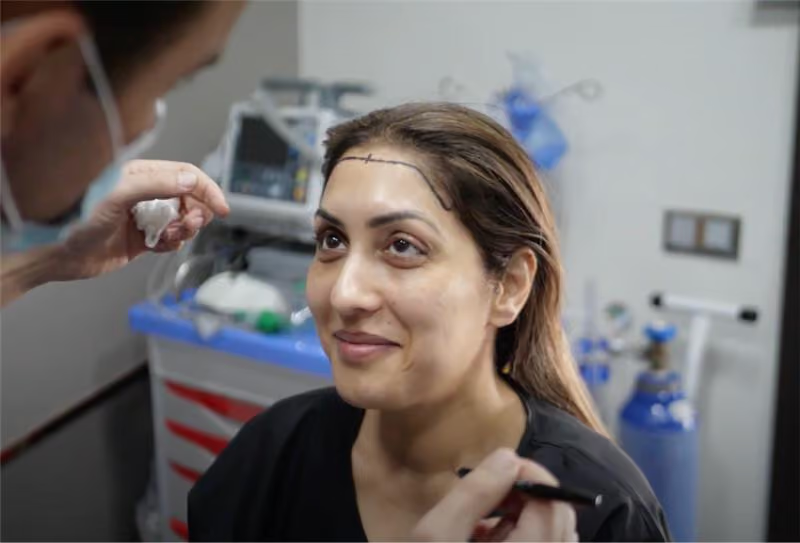
Derya Köroğlu designs and approves the proposed hairline with you. The plan considers whether the priority is lowering a high hairline, softening the temples, restoring symmetry or blending new grafts into existing hair. Dr Alaaddin then decides the final graft number after assessing donor safety and the distribution needed across the treatment areas.
The team also plans density realistically. Concentrating too many grafts in one area can leave another area under-treated or place unnecessary pressure on the donor supply. The objective is a balanced result that can still look appropriate if natural hair changes in future.
How Long Should You Stay in Istanbul?
International patients should normally allow around three to four days in Istanbul, although the exact itinerary is confirmed individually. This provides time for arrival, the in-person assessment, treatment and an early clinic review or first-wash demonstration before travelling home.
A typical plan may include arrival and transfer, treatment on the following day, then an aftercare review before departure. Flight timing, length of stay and companion arrangements should be confirmed with the patient coordinator rather than booked on assumptions.
Your Treatment Journey: From Photographs to Follow-Up

1. Online photograph review
Send clear photos of your hairline, temples, parting, crown and donor area via WhatsApp, Dr. Derya Köroğlu will review them, discuss your goals and advise whether a female hair transplant or another treatment may be most suitable for you.

2. Personalised discussion
The team asks about the history of your hair loss, health, medication, previous treatment and expectations.
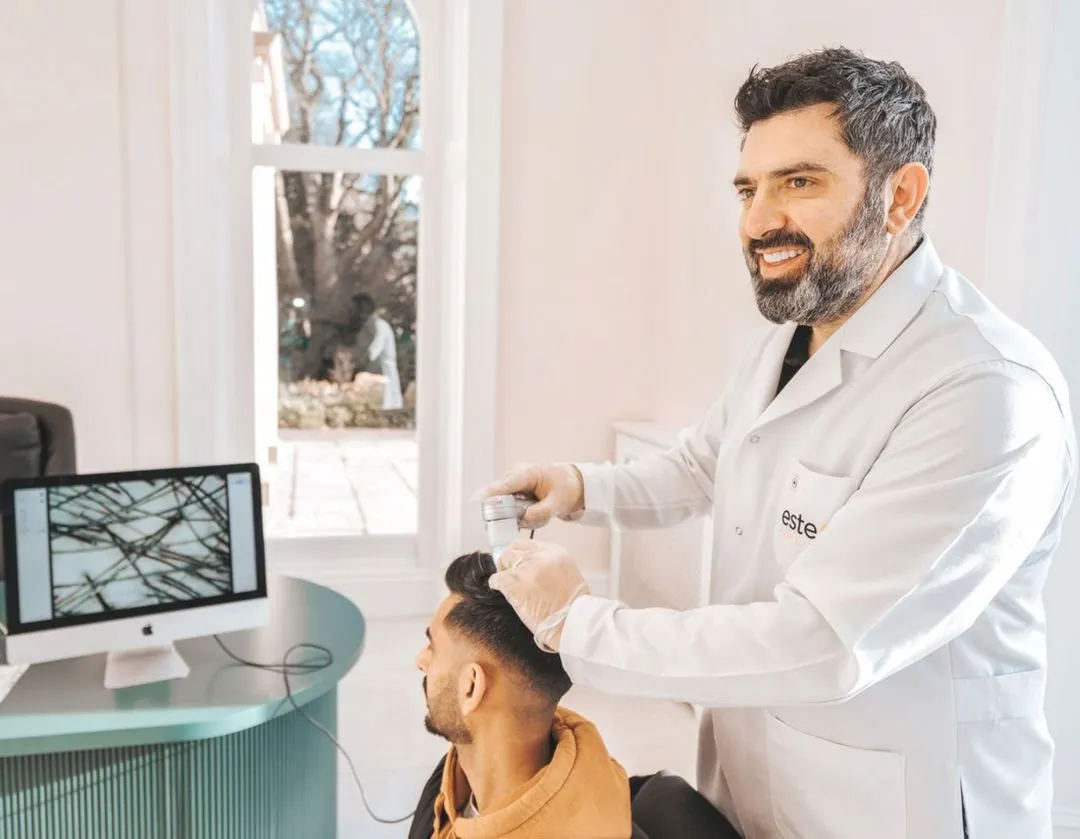
3. In-person assessment in Istanbul
Your scalp and donor area are examined before the final plan is agreed.
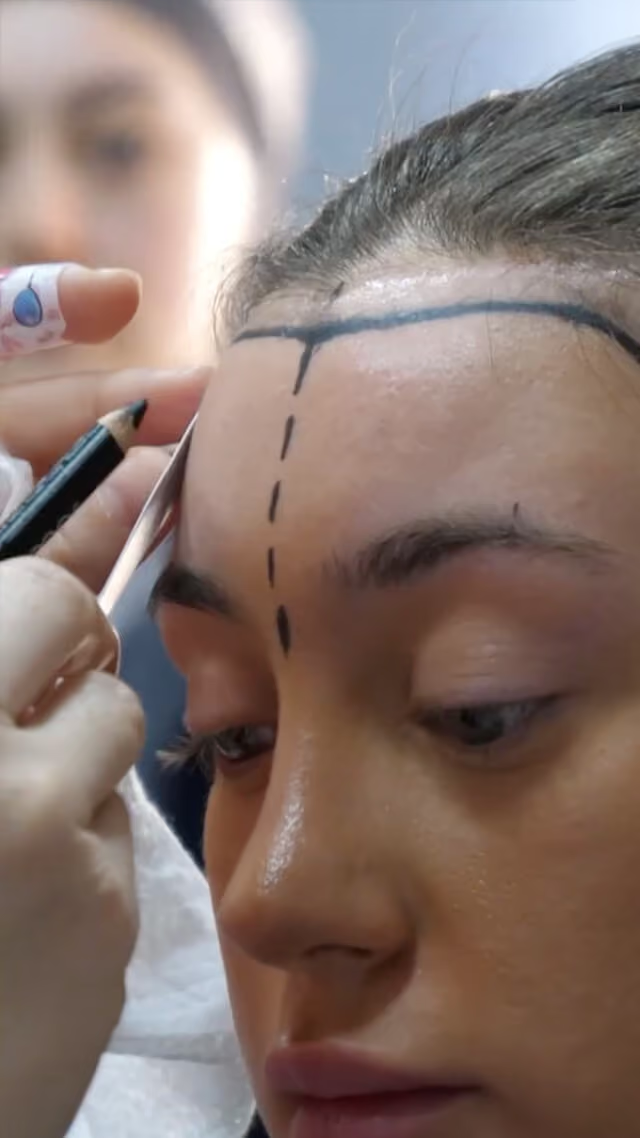
4. Hairline and treatment design
Derya Köroğlu designs and approves the female hairline with you.
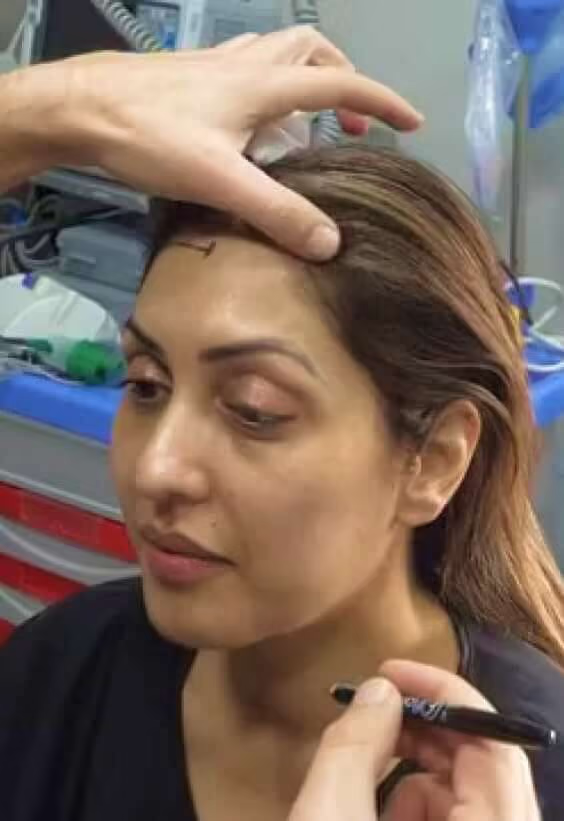
5. Final graft decision
Dr Alaaddin Karabacak determines the safe and appropriate graft number.
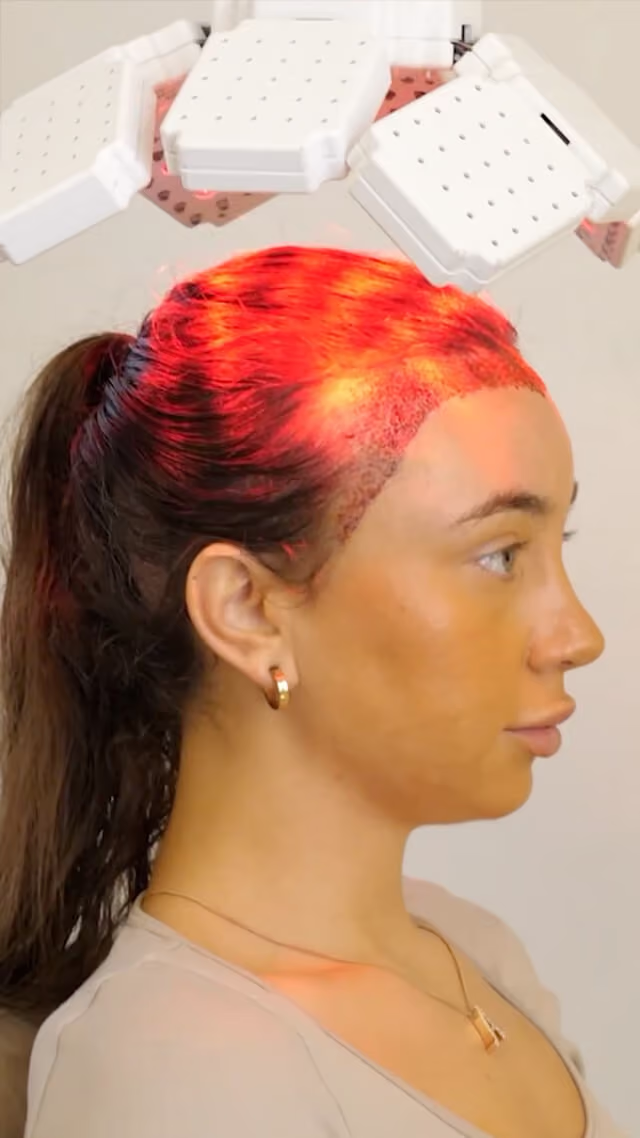
6. DHI implantation
Derya Köroğlu and Mesut Köroğlu perform implantation under the physical supervision of Dr Alaaddin.

7. Aftercare and review
You receive washing, sleeping, activity and scalp-care instructions. Derya Köroğlu carries out the follow-up assessment.

Female Hair Transplant Recovery and Growth Timeline
Healing and growth are gradual. The exact pace differs according to the number of grafts, areas treated, scalp response and aftercare.
First few days: Mild swelling, tightness, tenderness, redness or small crusts may be visible. Follow the clinic’s instructions on sleeping position, washing and avoiding contact with the implanted area.
First two weeks: Crusting usually settles progressively. The transplanted hairs may begin to shed; this can be a normal part of the cycle and does not necessarily mean the follicles have been lost.
Months 1–3: The scalp continues to settle. Visible density may still look limited while follicles enter their growth cycle.
Months 4–6: Early new growth may become easier to see. New hairs can initially appear fine or uneven.
Months 6–9: Improvement is usually more noticeable, and the transplanted hair begins to contribute more clearly to coverage.
Around 12 months: A fuller result can usually be assessed, although maturation can continue and crown growth may take longer.
Results vary. Existing non-transplanted hair can continue to thin, so future hair-loss management or additional treatment may be discussed where appropriate.
What Results Can a Women’s Hair Transplant Achieve?
The goal is a natural improvement in coverage and proportion, not an identical result for every patient. A well-planned transplant can soften a receded hairline, fill temple gaps, reduce the appearance of a widening part and improve coverage in selected crown areas.
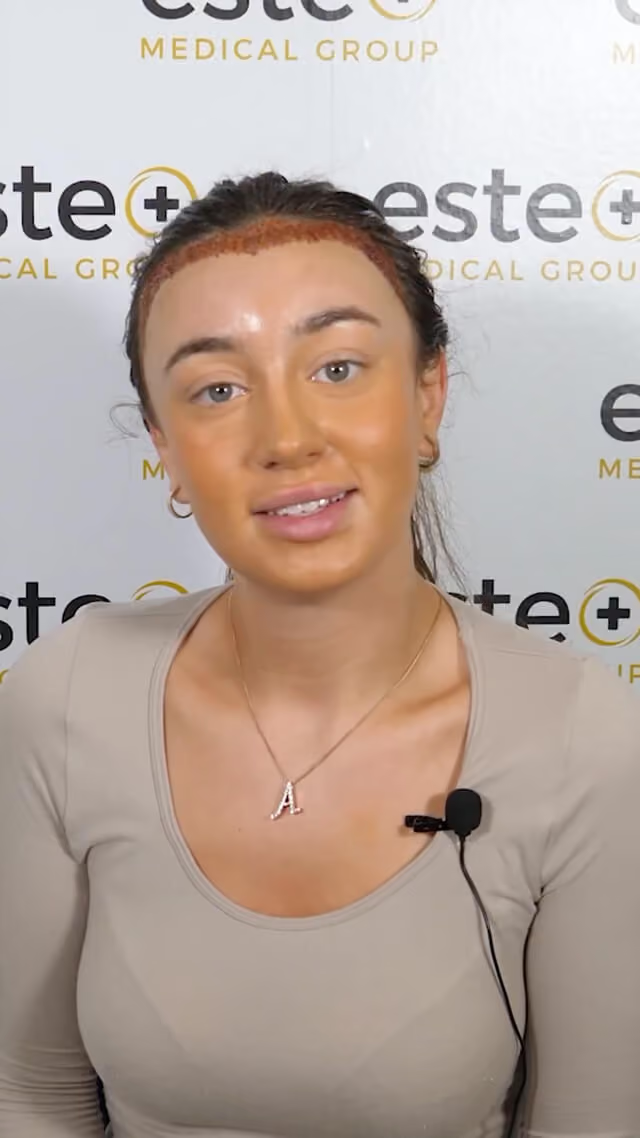
All female before-and-after photographs used on this page are genuine Este patients. Images should only be published where the patient has consented. Whenever case information is available, each image should state the treatment area, technique, graft number and month shown so visitors can judge the result in context.

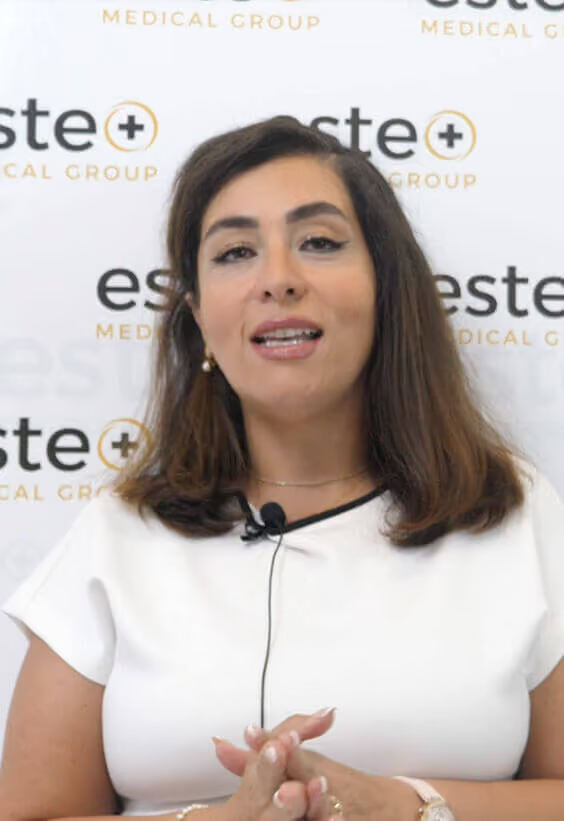
Female Before & Afters




.avif)
Speak to an expert today

Female Hair Transplant Turkey Cost
The cost of a female hair transplant in Turkey depends mainly on the number of grafts required, the areas being treated and the complexity of the individual plan. Este does not use one fixed price for every patient because hairline work, temple restoration, parting density and crown coverage can require very different graft distributions.
After Derya Köroğlu reviews your photographs and Dr Alaaddin confirms the graft plan, you will receive a personalised quotation. Ask the coordinator to list what is included, such as clinic transfers, accommodation, medication, washing support and follow-up, and what is excluded, including flights or optional services.
Risks, Limitations and Informed Decision-Making
A hair transplant is a medical procedure and should be considered with realistic expectations. Temporary effects may include redness, swelling, tenderness, itching, crusting, numbness, folliculitis and shedding of transplanted or nearby hairs. Less common complications can include infection, bleeding, scarring, poor growth, uneven density, an unnatural direction or the need for corrective or further treatment.
A transplant does not treat every cause of hair loss and does not stop all future thinning in existing hair. The quality and availability of donor follicles place a natural limit on what can be achieved. Your team should explain the likely benefit, alternatives and individual risks before you consent.
Alternatives may include medical assessment and treatment of the underlying cause, non-surgical hair-loss management, cosmetic fibres, hair systems or scalp micropigmentation. The appropriate choice depends on the diagnosis and your priorities.

A Licensed Istanbul Clinic for International Patients
Este Medical Group’s clinic is located at Nispetiye Caddesi, Etiler, Dilhayat Sk. No:12, 34340 Beşiktaş, Istanbul, Türkiye.
The organisation holds International Health Tourism Authorisation Certificate AK-0373, issued under the Republic of Türkiye Ministry of Health, General Directorate of Health Services. The certificate identifies the institution as authorised to operate in international health tourism as a facilitator organisation under the applicable regulation.
Clinic hours: Monday to Friday, 9am–7pm; Saturday, 10am–5pm; Sunday closed.
Türkiye contact: +90 546 903 3786
USA contact: 888-823-7013
Canada contact: 647-576-2777
Take the First Step Privately
You do not need to decide on treatment before speaking with the team. Send your photographs for an initial review and ask about your hairline, donor area, no-shave DHI, likely graft requirements, travel arrangements and personalised cost.
Frequently Asked Questions
What causes hair loss in women?

Hair loss in women can be linked to inherited female pattern hair loss, hormonal changes, thyroid problems, nutritional deficiency, medication, stress, postpartum shedding, traction, inflammatory scalp conditions or different forms of alopecia. Because several conditions can look similar, the cause and stability of the loss should be considered before surgery.
Is a hair transplant suitable for female hair loss?
It can be suitable for women aged 21 and over who have a stable treatment area and enough healthy donor hair. Suitability depends on the pattern and cause of loss, donor density, scalp health and realistic expectations. Diffuse or rapidly changing loss may need further medical assessment first.
Can women have a hair transplant without shaving their hair?
Yes. Este uses a no-shave DHI approach for suitable female patients, so shaving is not required. The team works around the retained hair and plans placement according to the area being treated and the characteristics of the existing hair.
Which areas can be treated?
Treatment may be planned for the hairline, temples, parting and crown. The grafts are distributed according to the priority areas, donor supply and the coverage that can be achieved safely.
Who reviews my photographs and plans the treatment?
Derya Köroğlu first reviews the photographs submitted online and designs and approves the female hairline. Dr Alaaddin Karabacak decides the final graft number after assessing what is safe and appropriate for the donor area and treatment goals.
Who performs the DHI implantation?
Derya Köroğlu and Mesut Köroğlu perform the DHI implantation. Dr Alaaddin Karabacak is physically present and supervises every procedure.
How many grafts will I need?
There is no single graft number for every woman. Dr Alaaddin decides the maximum number that is clinically safe and appropriate after considering donor strength, the size of the treatment areas and the density that can be achieved without overharvesting.
When will I see the result?
New growth develops gradually. Improvement is commonly more noticeable around 6–9 months, with a fuller result assessed at approximately 12 months. Timing varies, and crown growth can take longer.
Will the transplanted hair blend with my existing hair?
The placement is planned to follow the direction, angle and distribution of the surrounding hair. The goal is for the transplanted follicles to blend naturally as they grow and mature.
How much does a female hair transplant in Turkey cost?
The cost depends on the number of grafts, the areas treated and the complexity of the plan. After the photograph review and graft assessment, Este provides a personalised quotation with the treatment and package inclusions explained.
How long should I stay in Istanbul?
International patients should normally allow around three to four days for arrival, assessment, treatment and an early aftercare review. The patient coordinator will confirm the exact itinerary before flights are booked.
What are the possible risks?
Possible effects include redness, swelling, tenderness, crusting, itching, temporary numbness, folliculitis and shedding. Less common risks include infection, bleeding, scarring, poor growth, uneven density or the need for further treatment. Individual risks are explained before consent.
Can hormonal conditions affect my suitability?
Yes. Hormonal and medical factors can influence the pattern and stability of female hair loss. Your medical history is considered, and further assessment may be advised where the underlying cause is unclear or untreated.
Who carries out my follow-up assessment?
Derya Köroğlu carries out the follow-up assessment and the team provides aftercare guidance for the healing and growth period after you return home.
How is female hair loss different from male hair loss?
Female hair loss is often more widespread and less predictable than male pattern baldness.
Rather than receding in specific areas, many women experience overall thinning, which requires a more careful approach to ensure existing hair is preserved during treatment.
Can a hair transplant restore a female hairline?
Yes, hair transplants can be used to restore or reshape the hairline.
We design female hairlines differently to male hairlines, focusing on softer, more natural contours that complement facial features.
What results can I expect from a female hair transplant?
The aim is to improve density and overall hair appearance in a natural-looking way.
Results develop gradually over time, with improvements becoming more noticeable as the hair grows and matures.
How is donor hair selected for female patients?
We select donor hair from areas that are more stable and less affected by hair loss.
This ensures the transplanted follicles have the best chance of producing consistent, long-term growth.
What is the recovery process like for women after a hair transplant?
Recovery is generally manageable, with most patients returning to normal routines within a few days.
We provide detailed aftercare guidance to help protect both the transplanted area and existing hair during the healing phase.
Are hormonal conditions considered before treatment?
Yes, understanding the underlying cause of hair loss is essential.
We take your medical history into account and ensure any contributing factors are considered before proceeding with treatment.
Do you combine female hair transplants with other treatments?
Yes, we often include supportive treatments such as PRP or exosome therapy as part of your plan.
These treatments are used to support scalp health and create an optimal environment for hair growth.
Will the transplanted hair blend with my existing hair?
Yes, careful placement ensures the transplanted hair integrates naturally with your existing hair.
We match direction, angle, and density to create a consistent and balanced result.
Who performs the female hair transplant at Este Medical Group?
Your procedure is carried out by an experienced team of specialists, working under the supervision of our Plastic Surgeon.
We take a particularly careful and tailored approach with female patients to ensure both natural results and minimal disruption.