




Expert Medical Care since 2015

18 Clinics UK & Worldwide

300+ Friendly Trained Staff
Expert medical care since 2015
18 clinics worldwide
300+ friendly staff


Expert Medical Care since 2015
18 Clinics UK & Worldwide
300+ Friendly Trained Staff
Expert medical care since 2015
18 clinics worldwide
300+ friendly staff
Afro Hair Transplant in Turkey for Natural Curl and Density
Expert hair restoration tailored for afro-textured hair, using specialist techniques to preserve natural curl, structure, and density.
- Specialist techniques for afro-textured hair
- Designed to preserve natural curl and density
- Experienced team delivering consistent, natural results
10,000+ successful procedures performed by our experienced clinical team
4.9/5 Reviews

Oops! Something went wrong while submitting the form.
An Afro hair transplant in Turkey requires more than a standard extraction plan. Tightly curled hair can follow a curved path beneath the scalp, so the donor assessment, graft removal and placement angles must be adapted to the individual follicle pattern.
At Este Medical Group in Istanbul, Afro-textured hair is assessed case by case. The aim is to protect viable grafts, use the donor area responsibly and create coverage that respects your natural curl, hairline and styling preferences.
- Adapted FUE planning for curved follicles
- Hairline and density design based on your natural texture
- Treatment supervised in person by Dr Alaaddin Karabacak
- International patient support before and after treatment
For a complete overview of treatment methods, suitability, packages and travelling to Istanbul, visit our hair transplant Turkey guide.
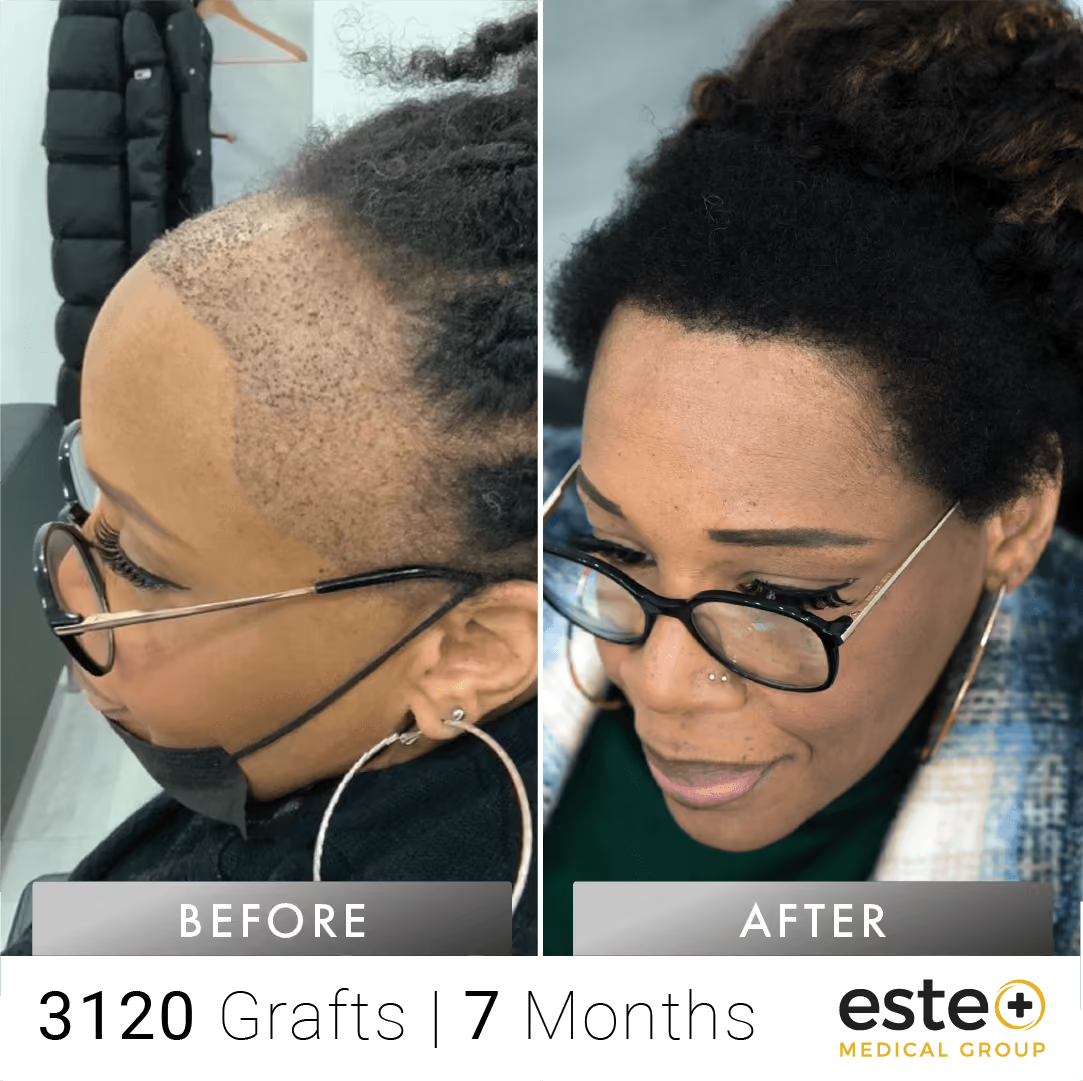
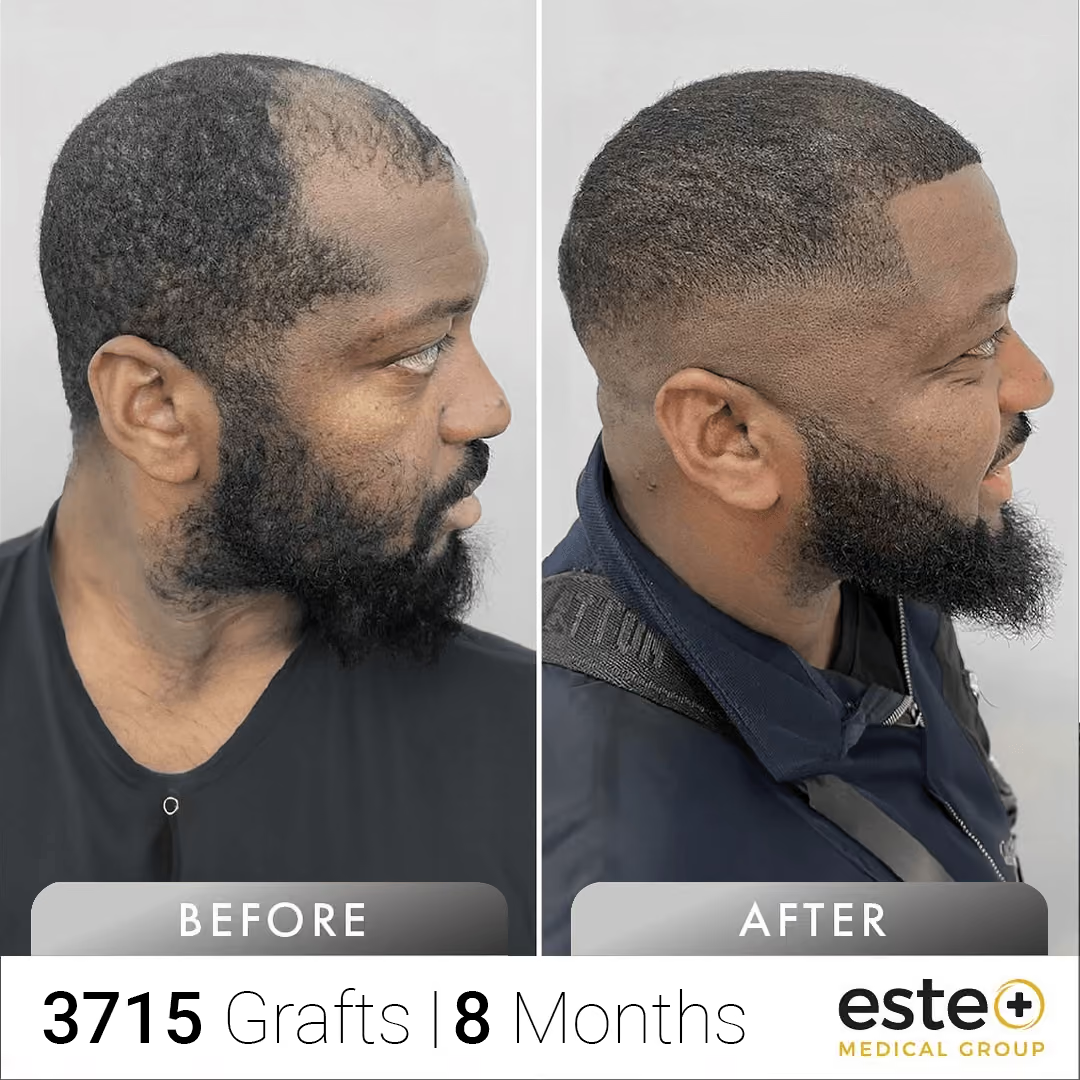
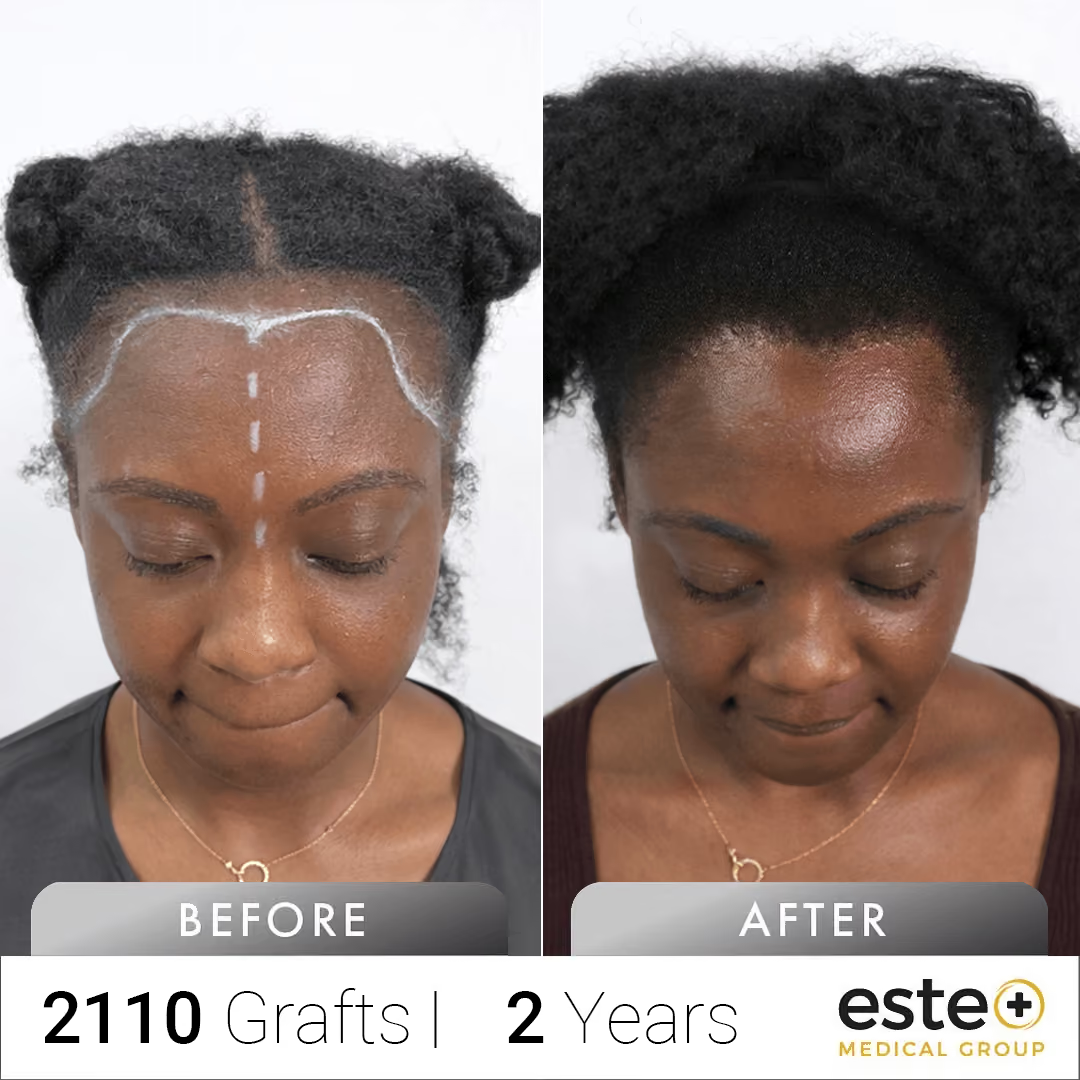
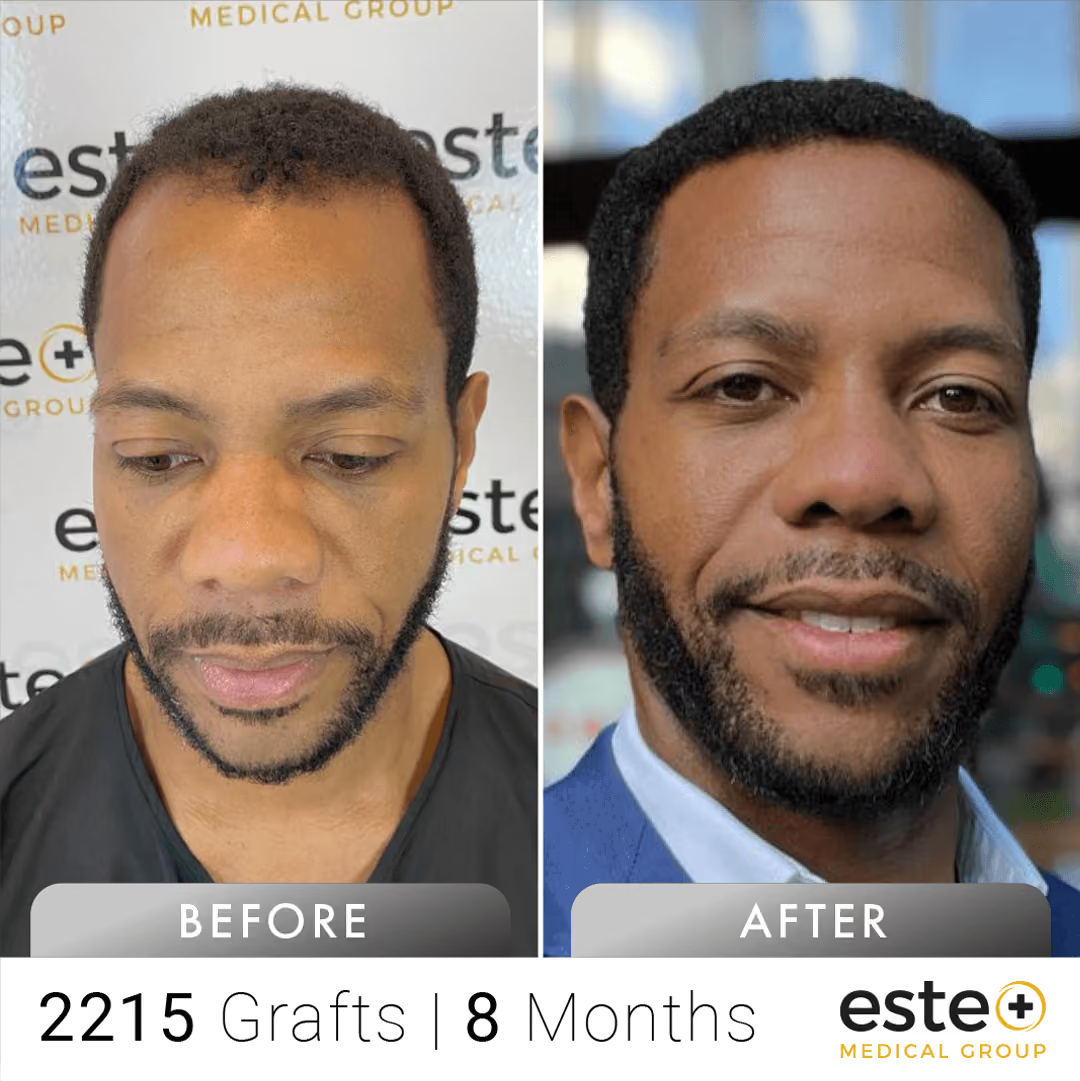
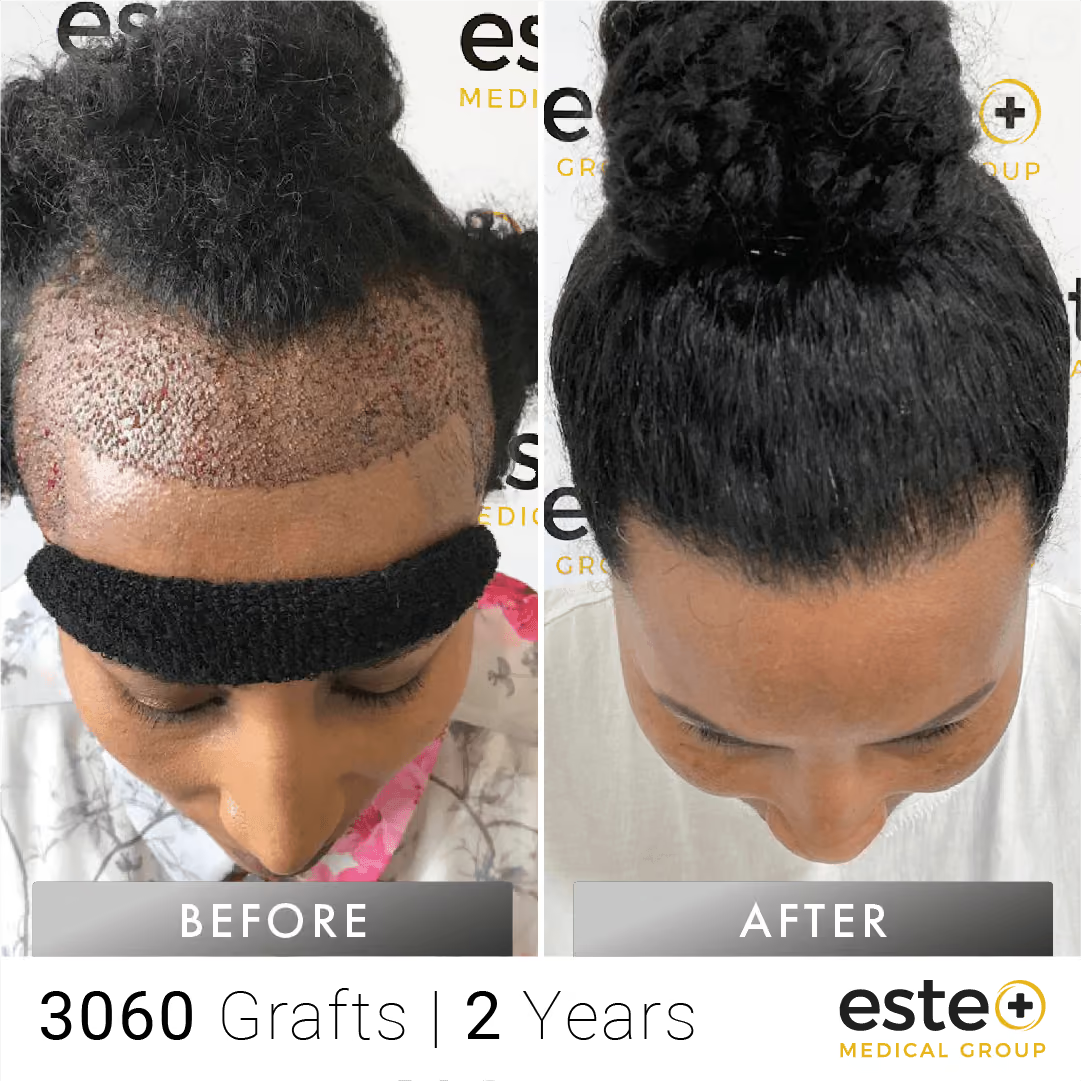
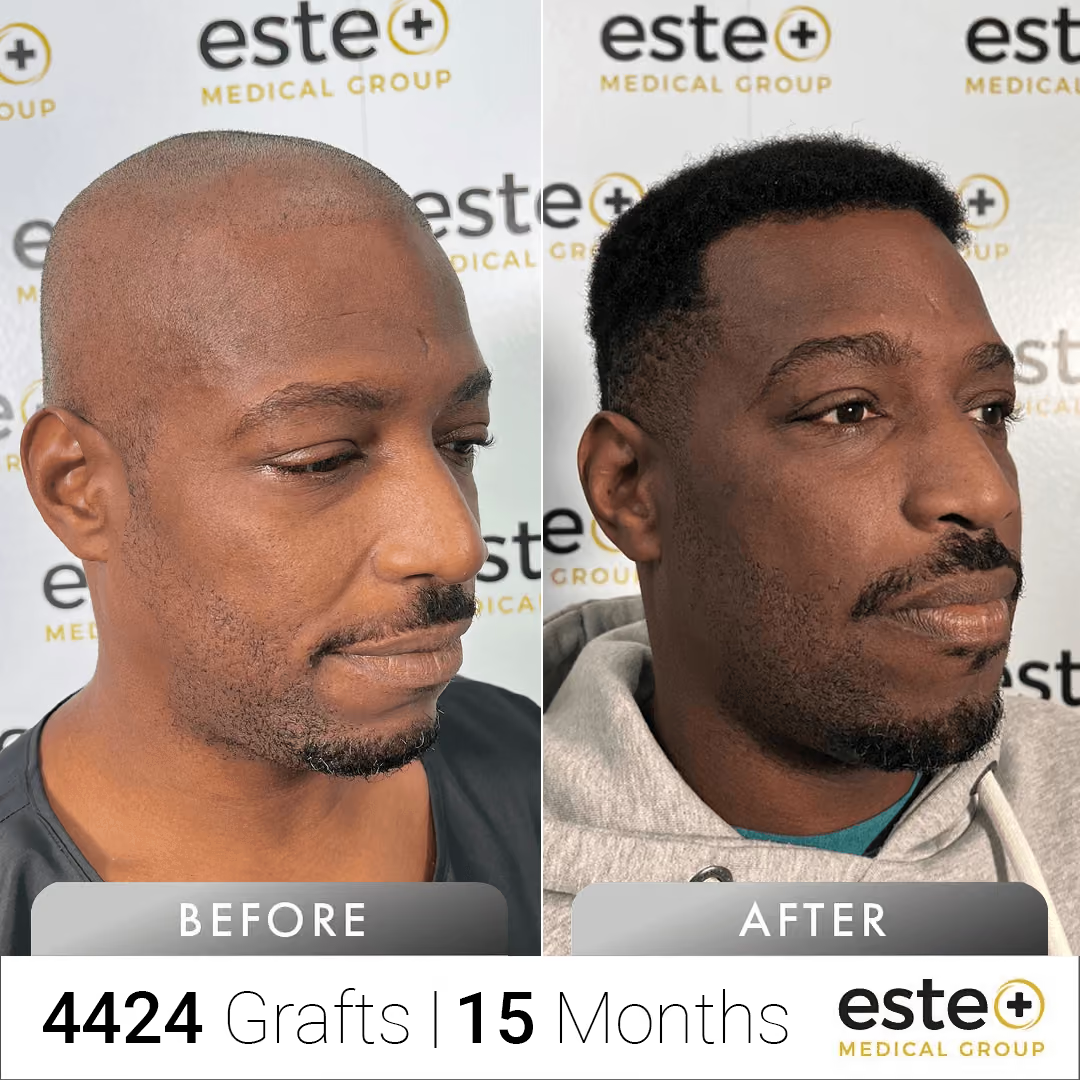
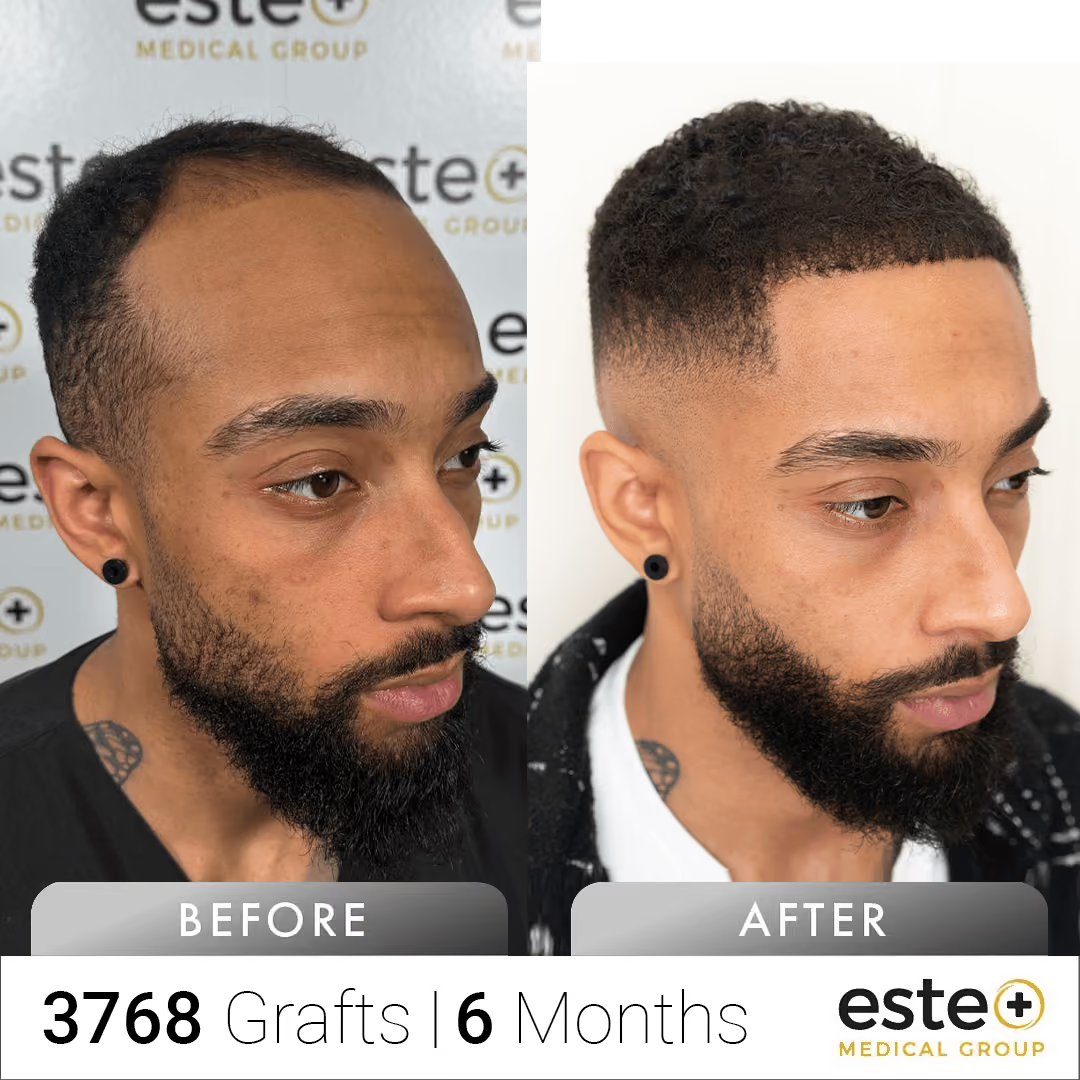
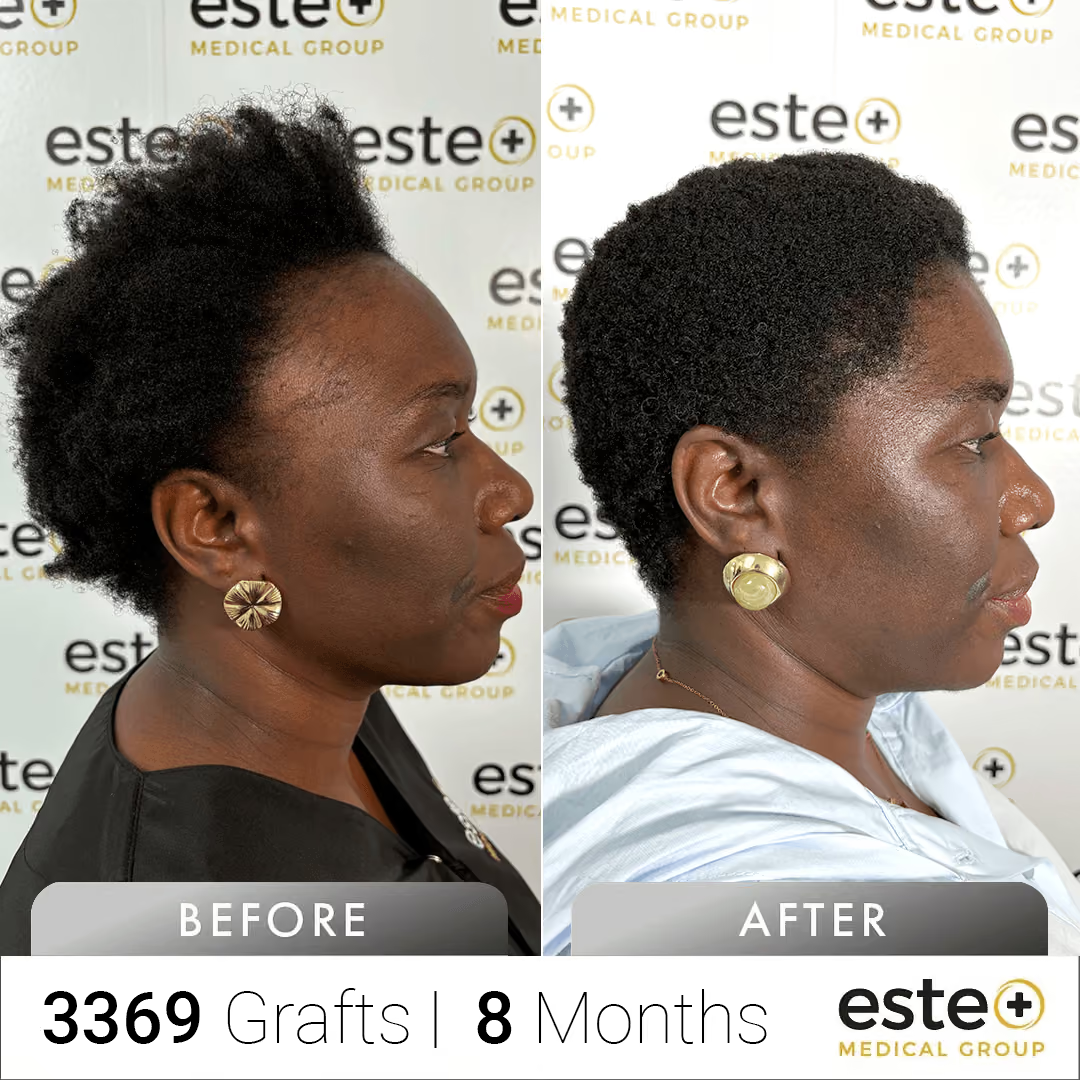
Afro Hair Transplant Before & After
Explore more genuine patient cases and treatment outcomes on our Turkey hair transplant before-and-after page.
What Makes an Afro Hair Transplant Different?
Afro-textured hair often has visible curl above the scalp and curvature below it. That underground curve matters during follicular unit extraction because the path of the follicle cannot always be judged from the hair shaft alone.
A careful assessment also considers hair calibre, donor density, the contrast between hair and scalp, previous styling practices and any history of raised or keloid scarring. These details influence the extraction approach, graft spacing and realistic density plan.
Curl can create a strong impression of coverage, but this does not mean every patient needs fewer grafts. The number must be based on the area being treated, donor strength and the amount that can be removed without overharvesting.
These follicle characteristics require an adapted extraction plan based on the principles of FUE hair transplant in Turkey, with careful attention to the curved path beneath the scalp.

Meet The Experts
Experience, Expertise & Excellence: Meet the Este Medical Team
Thaer Mezher, MD
Anaesthesiologist & Pain Management
- Studied Medicine
- Speaks 5 languages
- Specialization in Anesthesia, Intensive Care * Pain Management

Mesut Köroğlu
Hair Transplant Specialist
- Studied Anaesthesia
- Specialises in Hair Transplant
- 24+ Years Experience

Derya Köroğlu
Hair Transplant Specialist
- Studied Anaesthesia
- Specialises in Hair Transplant
- 20+ Years Experience

Dr. Alaaddin Karabacak, MD
Expert Hair Transplant Surgeon
- 35+ Years of Experience in Hair Transplants
- 9,000+ Procedures
- Award-Winning Certified Surgeon
- Turkish Society of Plastic, Reconstructive & Aesthetic Surgery
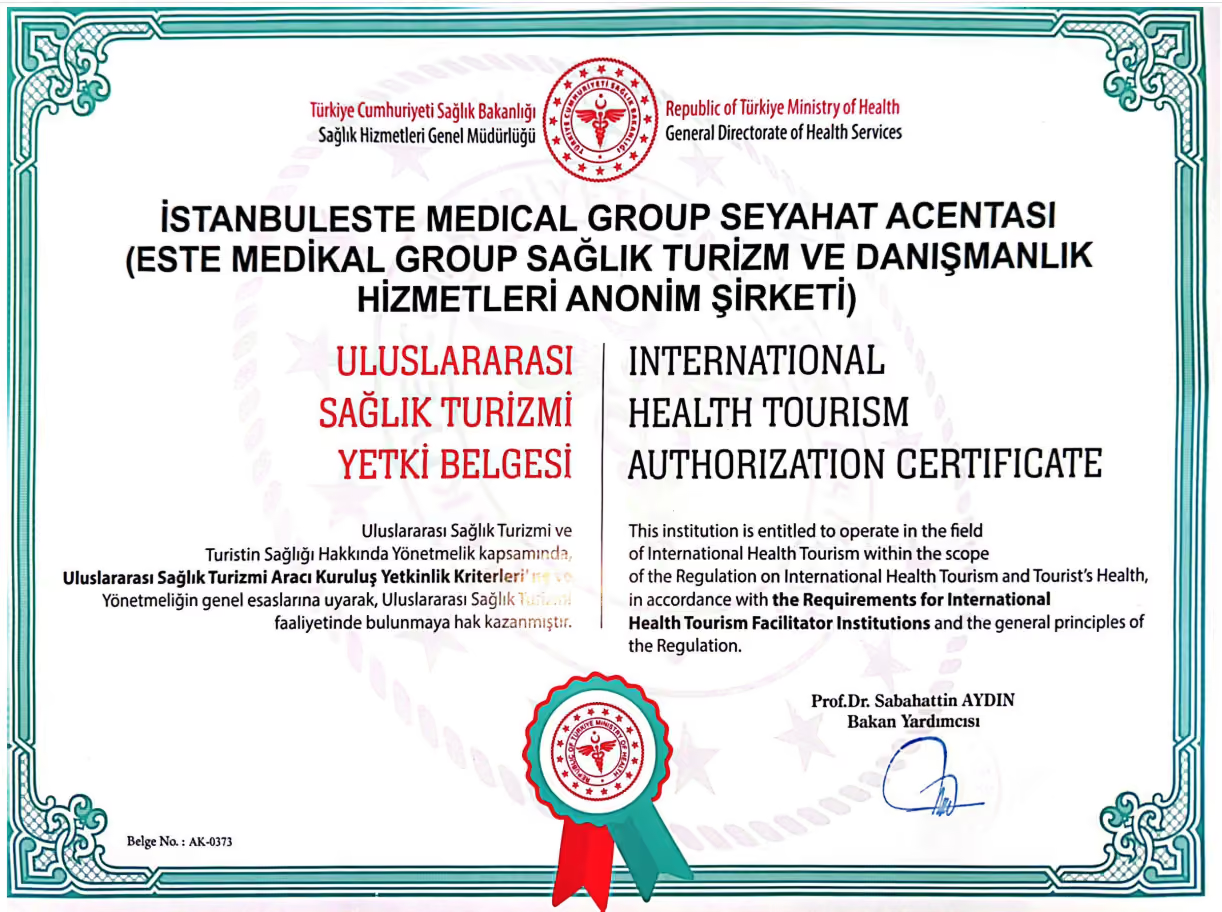
We are a fully licensed Medical Center with an International Health Tourism Authorization Certificate.
Speak to an expert today
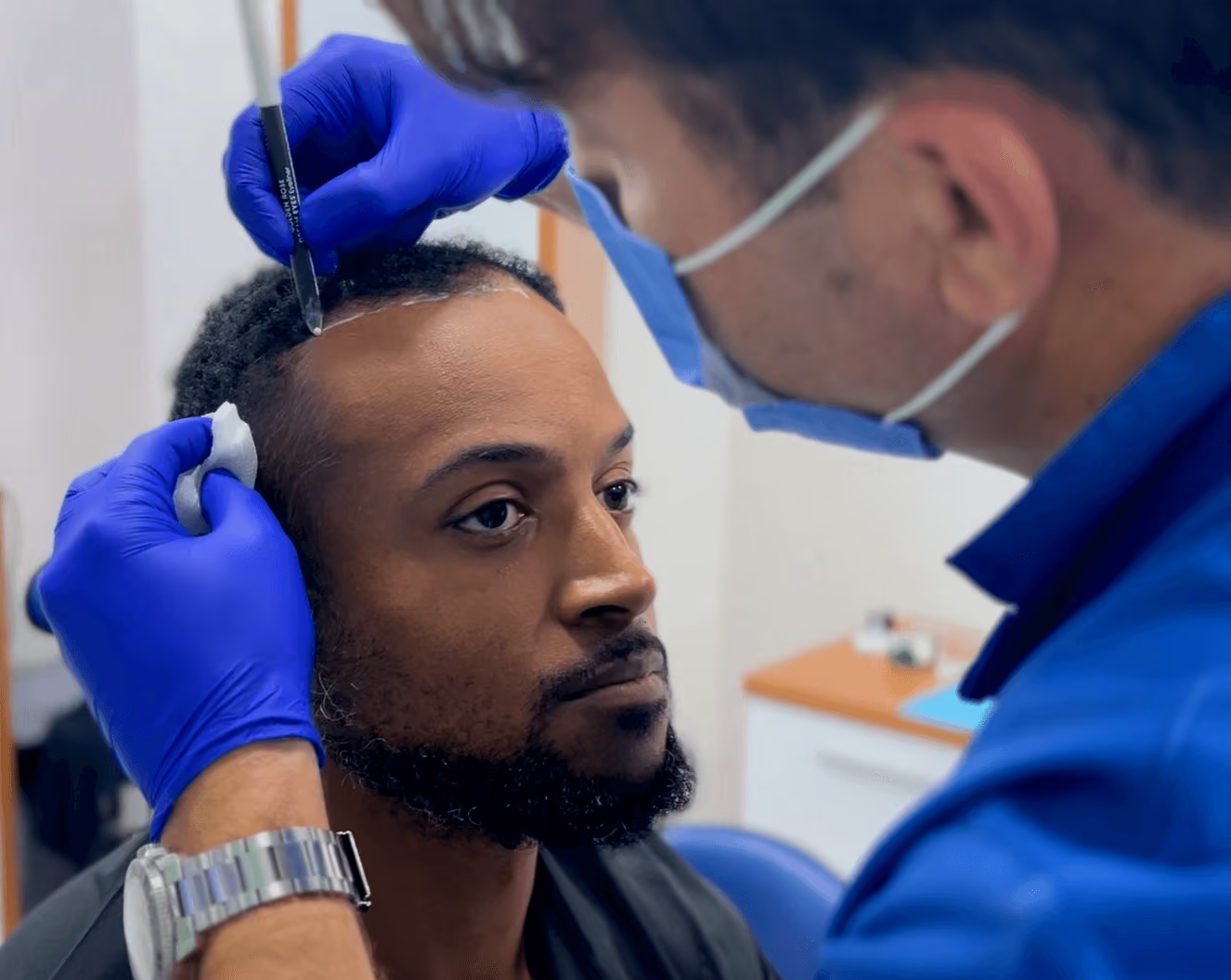
Which Technique Is Used for Afro Hair Transplants?
Este generally uses an FUE approach adapted to the patient’s follicle curvature, donor area and curl pattern. In FUE, individual follicular units are removed from the donor area and transferred to thinning or bald areas.
For Afro-textured hair, the extraction plan may need to be adjusted as the procedure progresses. The priority is not speed or an unnecessarily high graft number; it is preserving healthy follicular units and maintaining a safe donor pattern.
Where controlled implantation is considered suitable, the team may also use principles of DHI hair transplant in Turkey to support careful graft direction, spacing and placement.
How Este Plans an Afro Hair Transplant

1. Photograph and history review
Derya Köroğlu reviews the photographs submitted before travel. The review considers the pattern of loss, donor appearance, curl pattern, treatment goals and any relevant medical or scarring history.

2. In-person donor and scalp assessment
A final decision cannot be made from photographs alone. At the Istanbul clinic, the team examines the donor area, scalp condition, hair calibre and the likely path of the follicles beneath the skin.
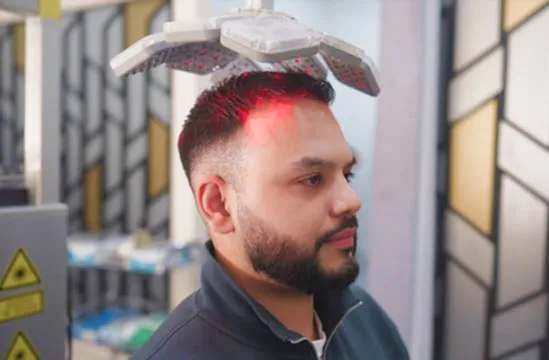
3. Hairline and density planning
Derya Köroğlu works with the patient on a hairline that suits the face, existing curl pattern and styling preferences. For patients with diffuse thinning or traction-related loss, the team also considers whether the hair loss is stable enough for surgery.
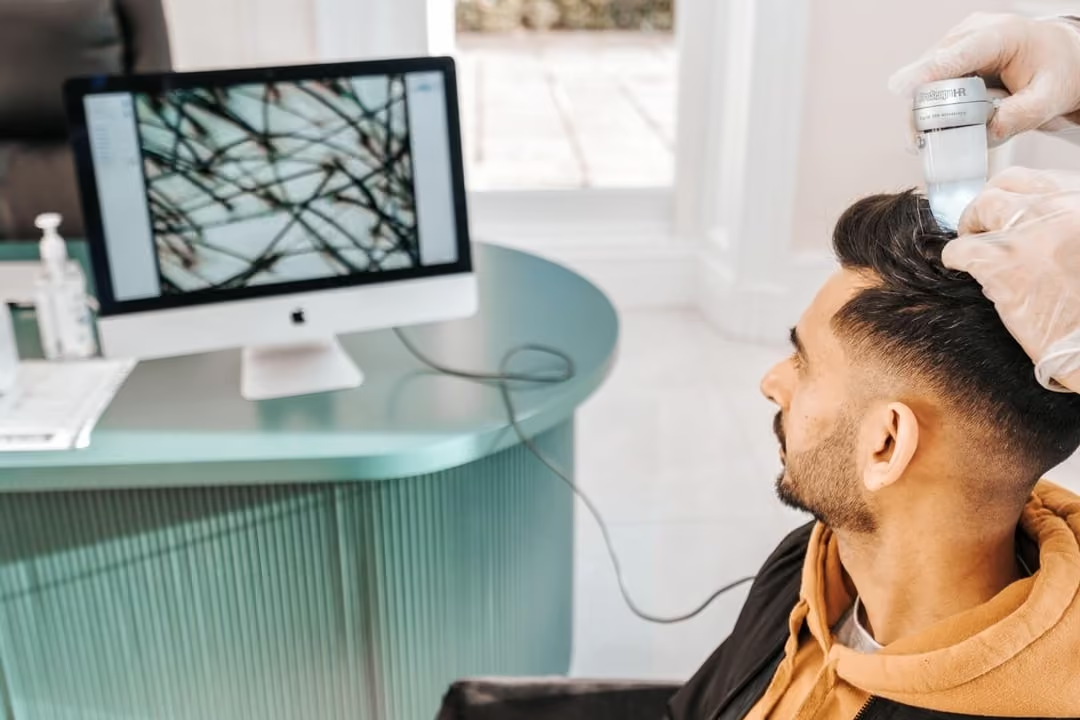
4. Graft number confirmed by Dr Alaaddin
Dr Alaaddin Karabacak determines the final number of grafts considered clinically appropriate for the donor area and treatment goals. This is not a fixed maximum and should never be based on marketing alone.
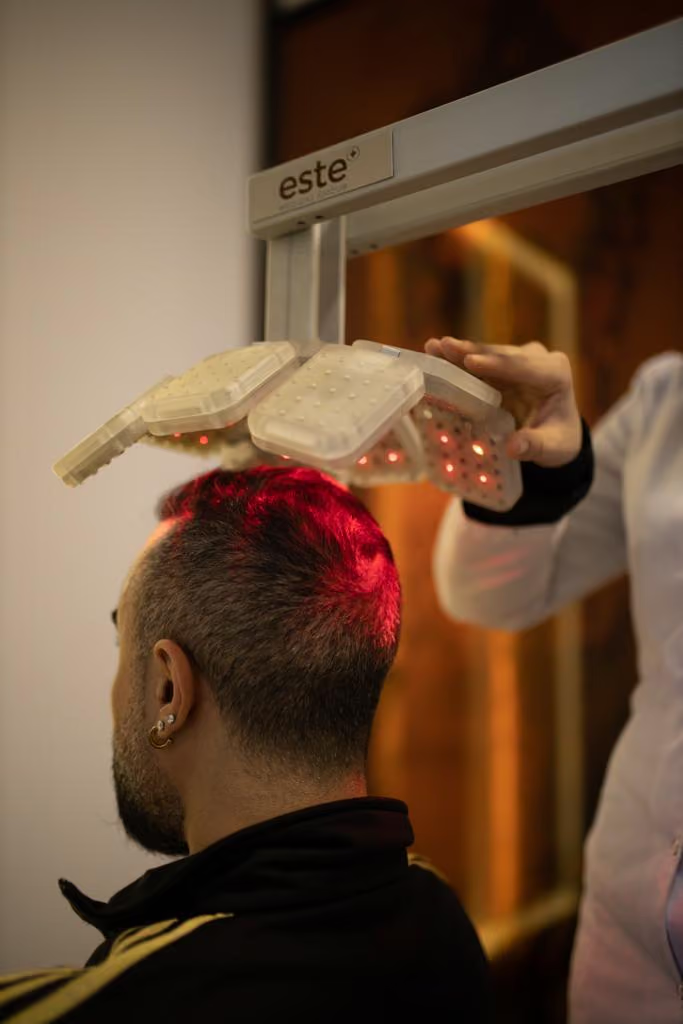
5. Extraction and implantation
Derya Köroğlu and Mesut Köroğlu perform the transplant stages under the physical supervision of Dr Alaaddin Karabacak. Graft direction and placement are planned to blend with the patient’s existing hair and natural curl.

6. Follow-up
Derya Köroğlu leads the follow-up assessment and aftercare guidance. Patients receive instructions for protecting both the donor and recipient areas after returning home.
Who May Be Suitable for an Afro Hair Transplant?
A hair transplant may be considered for adults aged 21 or over who have a stable area of hair loss, a donor area capable of supporting extraction and realistic expectations about coverage.
Potential treatment areas include the frontal hairline, temples, mid-scalp and crown. Afro-textured donor hair may also be considered for facial hair restoration, but beard treatment should be planned on the dedicated beard transplant page.
Suitability depends on the cause of loss. Pattern hair loss, selected cases of stable traction alopecia and defined areas of permanent loss may be considered. Active scarring alopecia, ongoing inflammation, diffuse donor thinning, untreated scalp disease or an uncertain diagnosis may require further medical assessment before surgery.
Women with Afro-textured hair may also require assessment of diffuse thinning, existing hair and female-specific loss patterns; learn more about Este’s approach to a female hair transplant in Turkey.



.avif)

What are the Causes of Afro Hair Loss?
Hair loss among those with afro-textured hair be due to various factors, some of which are specific to this unique hair type. Some common causes of afro hair loss include:
Traction Alopecia

This type of hair loss is common for those who frequently style their hair in hairstyles that exert constant tension on the hair follicles, including tight braids, ponytails, and more. Prolonged tension can weaken the hair shaft, leading to breakage and hair loss along the hairline or affected areas.
Chemical Processing
The use of harsh chemicals in hair relaxers, perms, or straightening treatments can damage the hair shaft, weaken the follicles, and result in hair breakage and thinning. Overprocessing or improper application of these chemicals can lead to long-term damage and hair loss.
Improper Hair Care Practices
Poor hydration, excessive heat styling, frequent use of harsh haircare products, and lack of protective styling methods can lead to dryness, brittleness, and breakage in afro-textured hair, contributing to hair loss over time.
Genetic Factors
Like other hair types, genetics play a significant role in afro hair loss. Conditions such as androgenetic alopecia (pattern hair loss) can affect both men and women with afro hair, leading to gradual thinning and hair loss over time.
Medical Conditions & Medications
Certain medical conditions such as hormonal imbalances, thyroid disorders, autoimmune conditions, or medications used to treat various health issues can also contribute to hair loss in individuals with afro-textured hair.
Afro Hair Transplant Turkey Cost
The cost of an Afro hair transplant in Turkey depends on the clinically appropriate graft requirement, the treatment area, donor complexity and the technique selected after assessment.
Because curved follicles can require slower, more cautious extraction, the quotation should be based on the individual plan rather than a standard online graft package. After reviewing photographs and completing the in-person assessment, Este provides a personalised quotation with the included services explained clearly.
For broader pricing guidance, link to the dedicated Hair Transplant Cost Turkey page rather than expanding this section into a second cost landing page.
For more detail on graft-related pricing, package inclusions and personalised quotations, read our complete Turkey hair transplant cost guide.

Travelling to Istanbul for Treatment
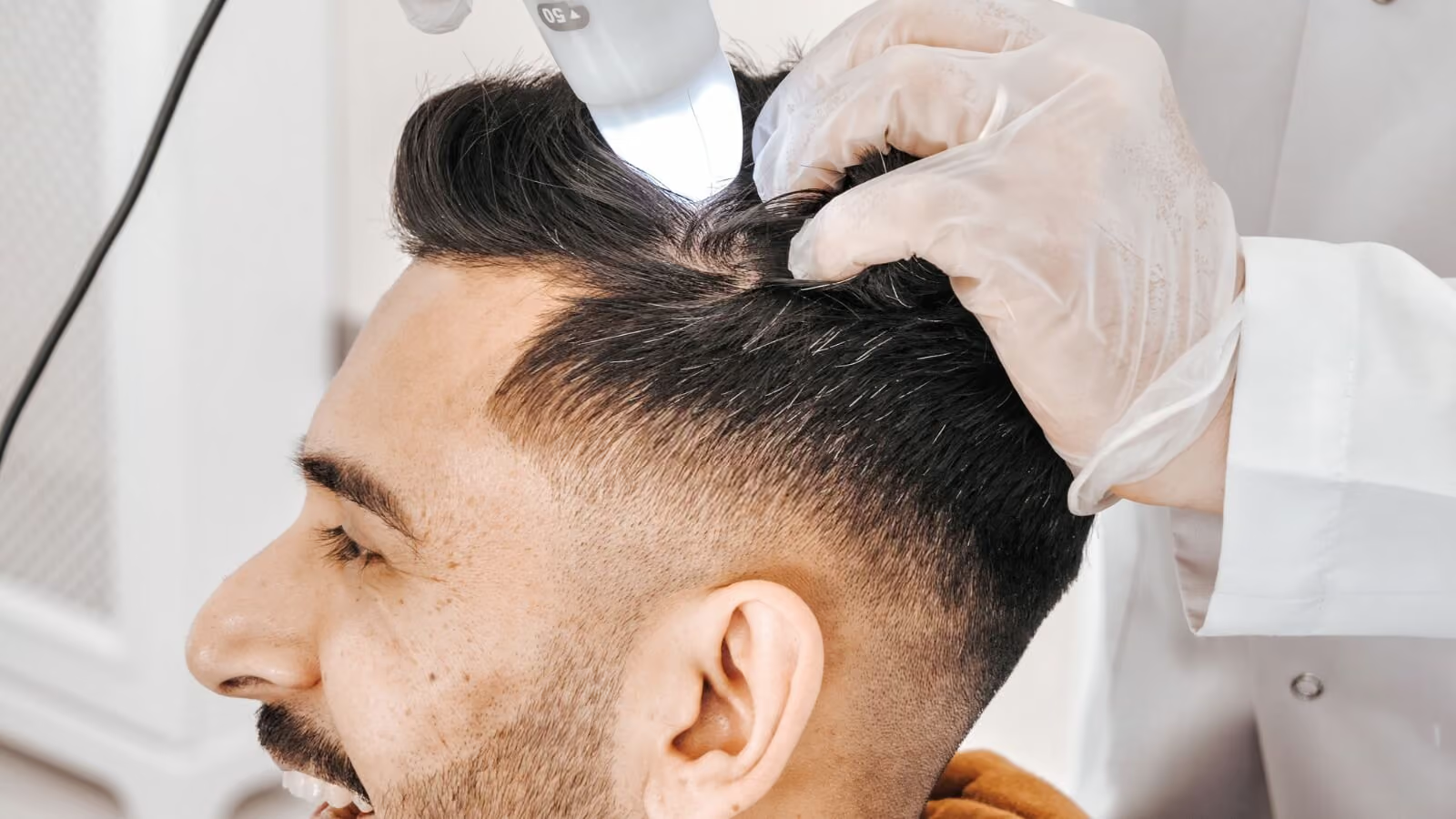
International patients should allow approximately three to four days in Istanbul, subject to their personalised itinerary. This normally gives time for arrival, final assessment, treatment, the first review and an aftercare or washing demonstration before the return journey.
Este supports patients before arrival and after they return home. The clinic is located at Nispetiye Caddesi, Etiler, Dilhayat Sk. No:12, 34340 Beşiktaş, Istanbul. Opening hours are Monday to Friday, 9am to 7pm, and Saturday, 10am to 5pm.
International contact numbers: Turkey +90 546 903 3786; USA 888-823-7013; Canada 647-576-2777.
How to Choose the Best Clinic in Turkey for Afro Hair
The best Afro hair transplant clinic in Turkey is not determined by a single graft number, price or promotional award. Patients should look for documented experience with Afro-textured follicles, named clinical responsibility, genuine before-and-after evidence, transparent risk information and a clear aftercare process.
Ask who will assess the donor area, who will perform extraction and implantation, how the team adapts to curved follicles, and what happens if you need help after returning home. These questions are more useful than choosing a clinic solely because it advertises the largest package.
Book an Afro Hair Transplant Consultation
Send clear photographs of the front, temples, top, crown and donor area, together with a short history of the hair loss and any previous scalp or hair treatments. Derya Köroğlu will review the submitted images before the team discusses the next step.
A photograph review is preliminary. Final suitability, graft number and treatment planning are confirmed after an in-person scalp and donor assessment in Istanbul.
The Key Differences of Afro Hair Compared to Other Hair Types:
The distinct attributes of afro textured hair include:
Higher Concentration of Lipids
Afro hair typically contains a higher concentration of lipids, which usually contributes to much thinner and oilier hair. However, the lipids in afro hair don’t bond as well as they do with other hair types, leaving it susceptible to dryness.
Follicular Structure
Although it differs depending on the individual, usually, East Asiatic hair follicles are almost round in shape and European hair follicles tend to be more oval shaped. Afro-textured hair has a distinct follicle structure, as they are flattened in the cross-section which contributes to unique curl and kink patterns, as well as unique textures.
Delicate Nature
Afro hair tends to be more delicate and prone to breakage. Its tightly coiled structure restricts the easy movement of moisture along the hair shaft, leading to increased vulnerability to dryness and breakage.
Shrinkage & Length Perception
Due to its coiled structure, afro hair often experiences significant shrinkage, making it appear shorter than its actual length when stretched. This can impact styling options and the perceived length of the hair.
Frequently Asked Questions
Is afro hair more difficult to transplant than other hair types?

Afro hair transplantation can be more technically demanding because the follicle often follows a curved path below the scalp. This can increase the risk of damaging a follicle during extraction unless the procedure is planned and performed by a team experienced with tightly curled hair.
Which technique is used for afro hair transplants?
Este generally uses an FUE approach adapted to the patient’s follicle curvature, donor density and curl pattern. The final extraction and implantation plan is decided individually after the donor area has been examined in person.
Can afro hair achieve good density after a transplant?
Yes, suitable patients can achieve natural-looking coverage. The curl and calibre of Afro-textured hair may contribute to visual density, but the graft number still depends on the size of the treatment area, donor strength and the amount that can be removed safely.
How do you preserve the natural curl pattern during the procedure?
The team studies the existing curl, hair direction and recipient area before placement. Grafts are distributed at angles and directions intended to blend with the surrounding hair while protecting the integrity of each follicular unit.
Is there a higher risk of scarring with Afro hair transplants?
Scarring risk varies between patients. People with a history of keloid or raised scarring should disclose this during assessment. Careful extraction, appropriate spacing and aftercare can help limit visible donor changes, but no surgical procedure is scar-free.
How many grafts are typically needed for afro hair restoration?
There is no standard graft number for every patient. Dr Alaaddin Karabacak confirms the final clinically appropriate number after the donor area, treatment area, curl pattern and long-term goals have been assessed.
Can Afro-textured hair be used for beard restoration?
Afro-textured donor hair may be considered for facial hair restoration where clinically suitable. Beard design and graft direction require separate planning, so patients interested in facial restoration should also review Este’s dedicated beard transplant service.
What is recovery like after an Afro hair transplant?
The initial healing phase is usually around 7 to 10 days. Redness, scabbing, tenderness and temporary swelling can occur. Este provides washing, sleeping, activity and donor-care instructions before the patient leaves Istanbul.
When will I see results after an Afro hair transplant?
New growth develops gradually after an initial shedding phase. Visible improvement is commonly assessed around 6 to 9 months, while fuller development may take approximately 12 months or longer. Timelines and density vary between patients.
Can supportive treatments be combined with an Afro hair transplant?
PRP or exosome-based treatments may be discussed as optional supportive treatments where clinically appropriate. They do not replace the transplant, and their proposed benefit, limitations and cost should be explained separately.
Am I suitable for an Afro hair transplant?
Suitability depends on the diagnosis, stability of the hair loss, donor-area strength, scalp condition, scarring history and expectations. Active inflammation, scarring alopecia, diffuse donor thinning or untreated scalp disease may require further assessment before surgery is considered.
Who performs afro hair transplants at Este Medical Group?
Derya Köroğlu reviews submitted photographs and contributes to the treatment design. Dr Alaaddin Karabacak confirms the final clinically appropriate graft number and physically supervises every procedure. Derya Köroğlu and Mesut Köroğlu perform the transplant stages, and Derya leads the follow-up assessment.


